 Pin It
 My uncle showed up to a family gathering one January with a smoked turkey leg and a knowing smile, tossed it into my slow cooker with some black-eyed peas I'd forgotten I had, and disappeared for the afternoon. Hours later, the kitchen smelled like smoke and comfort, and I realized I'd been overthinking Southern food the whole time. Sometimes the best meals come from the simplest gestures—a handful of ingredients and patience doing all the work.
The first time I made this for a crowd, I panicked halfway through—the peas looked too watery, the turkey leg seemed tough. A friend walked in, tasted the broth, and said, 'Just wait,' and she was right. By hour seven, everything had transformed into something silky and deeply nourishing, the kind of dish that lingers on your mind long after dinner ends.
Ingredients
- Dried black-eyed peas (1 lb, rinsed and sorted): These little beans are the backbone here—they'll absorb all that smoky flavor and become creamy without falling apart, so don't skip the rinsing step or you'll end up with grit in every spoonful.
- Smoked turkey leg (about 1 lb): This is where the magic lives, the smokiness that makes water taste like home, so look for one with a good color and weight.
- Water (6 cups): Seems simple, but this is your canvas—the peas will drink it all in and transform it into liquid gold.
- Salt and black pepper (1 teaspoon salt, 1/2 teaspoon pepper): Start here and taste as you go, because different smoked meats carry different salt levels and you want to avoid oversalting.
Tired of Takeout? 🥡
Get 10 meals you can make faster than delivery arrives. Seriously.
One email. No spam. Unsubscribe anytime.
Instructions
- Rinse and sort your peas like you're looking for treasure:
- Run them under cold water, shake them around, and pick out any shriveled ones or small stones hiding in there. It takes two minutes but saves you from that crunch later that makes you question everything.
- Build your slow cooker foundation:
- Dump the rinsed peas into the pot, nestle that turkey leg right on top like it's settling in for a long nap, and pour the water around it so everything's submerged.
- Season and let time do its thing:
- Sprinkle salt and pepper, cover it, and set it to LOW for seven to eight hours—this low and slow approach is what turns tough beans tender and melds all the flavors together.
- The transform moment arrives:
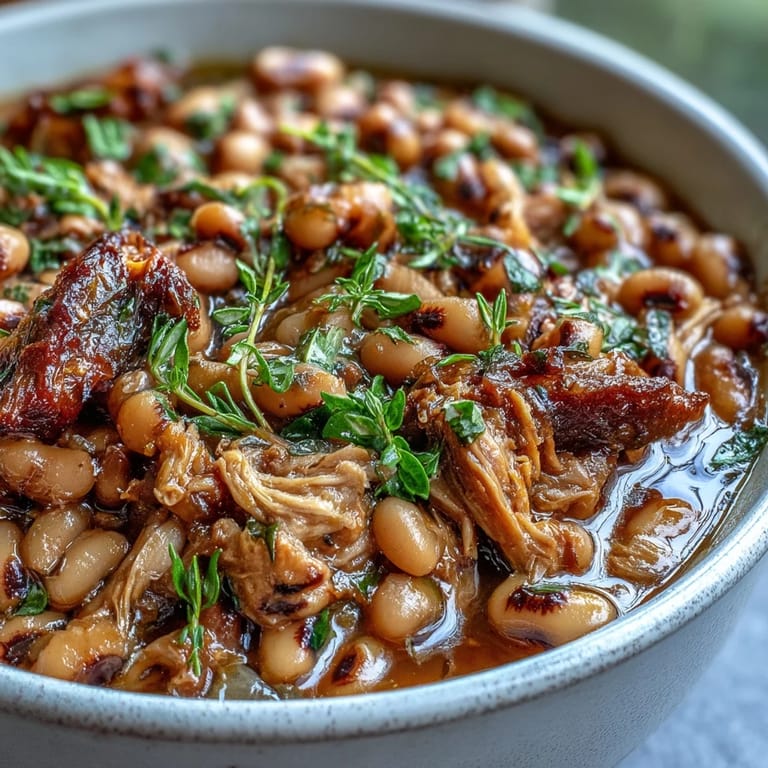
- When you peek in near the end, the peas should look soft and the broth should coat a spoon, and the turkey leg will practically fall apart when you touch it. If things still look firm, give it another hour.
- Shred and return:
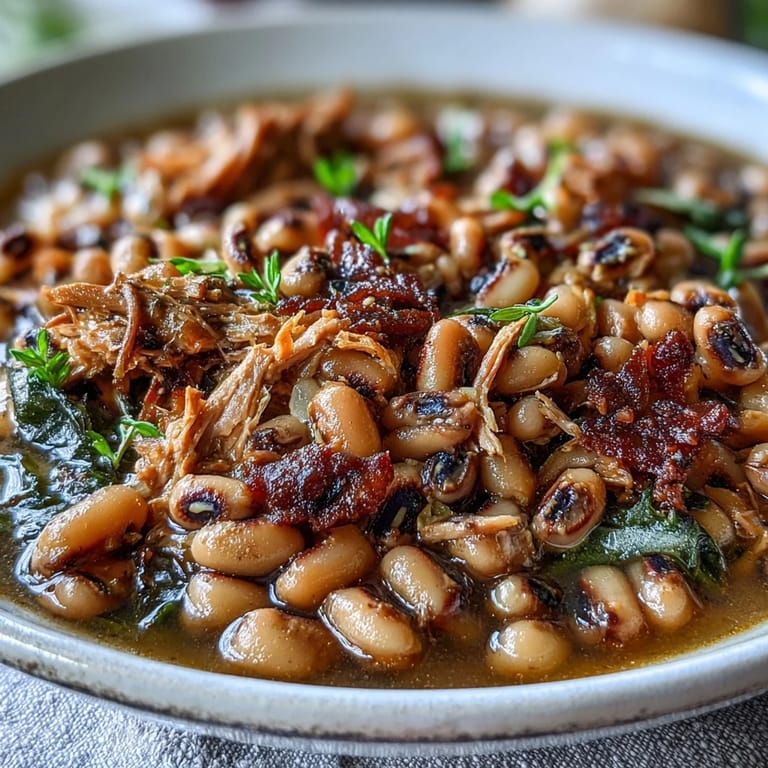
- Pull out that turkey leg, let it cool just enough to handle, pull the meat away from the skin and bones, and stir it back into the pot where it belongs. This is when you taste and adjust the salt—trust your instincts here.
 Pin It
 There's a moment, usually around hour six, when you walk past the slow cooker and the smell stops you in your tracks—not just hunger, but something deeper, like you're tasting generations of Sunday tables and quiet afternoons. That's when you know this dish is becoming more than sustenance; it's becoming a small ritual you'll want to repeat.
The Soul of Simplicity
This recipe teaches you something important about cooking: sometimes less is more, and the best flavors come from patience rather than a long ingredient list. The slow cooker becomes your assistant, gently coaxing every bit of smokiness from the turkey leg into the waiting peas, creating a dish that tastes like it took hours of active cooking when you barely touched it.
Serving and Stretching
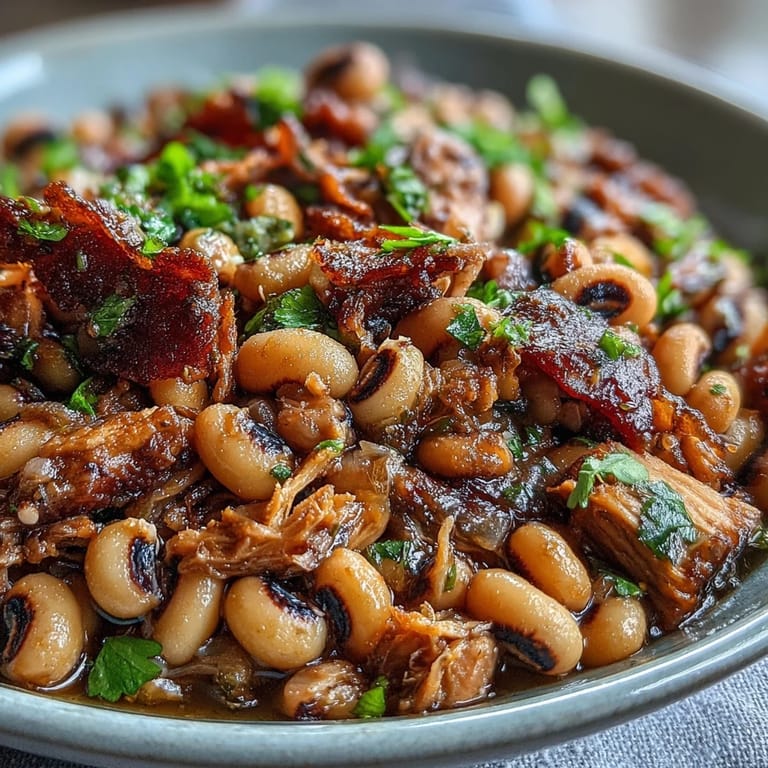
Serve this over white rice or with a thick slice of buttered cornbread on the side, and watch people eat in quiet, satisfied silence. You can also portion it out and freeze what's left—it actually improves after a day or two in the fridge as the flavors settle and deepen, making it perfect for those mornings when you want comfort but not the cooking.
Beyond the Basic Recipe
Once you've mastered the foundation, you'll start seeing possibilities everywhere—a diced onion added at the start softens into sweetness, a bay leaf adds an earthy whisper, even a splash of hot sauce at the end transforms it into something with a little attitude. Some folks swap the turkey leg for a ham hock or smoked sausage, and that works beautifully too, so don't think of this recipe as locked in stone.
- A bay leaf added before cooking deepens the flavor without announcing itself like an extra ingredient.
- For vegetarian guests, use smoked paprika stirred into vegetable broth instead of the turkey leg and you've got something equally satisfying.
- Leftovers become phenomenal when you reheat them gently on the stovetop with a splash of extra broth to loosen things up.
 Pin It
 This dish is a reminder that the best food often comes from knowing when to step back and let simple ingredients speak for themselves. Make it once and it becomes the thing people ask you to bring to every gathering after.
Recipe Questions & Answers
- → Do I need to soak black-eyed peas before cooking?
No soaking required! Dried black-eyed peas cook beautifully in the slow cooker without pre-soaking, becoming perfectly tender and creamy after 7-8 hours on low heat.
- → Can I use canned black-eyed peas instead?
Yes, rinse and drain 4-5 cans of black-eyed peas and reduce cooking time to 2-3 hours on low, just enough to heat through and absorb the smoky turkey flavor.
- → What can I substitute for smoked turkey leg?
Smoked ham hock, smoked sausage, or bacon work wonderfully. For vegetarian options, add smoked paprika, liquid smoke, and use vegetable broth instead of water.
- → How should I serve this dish?
Serve over steamed white rice with a side of cornbread or corn muffins. Collard greens or braised kale make excellent vegetable accompaniments for a complete Southern meal.
- → How long do leftovers keep in the refrigerator?
Store in an airtight container for up to 5 days. The flavors actually improve after a day or two. Reheat gently on the stovetop, adding a splash of water if needed.
- → Can I freeze this dish?
Absolutely! Portion cooled leftovers into freezer-safe containers and freeze for up to 3 months. Thaw overnight in the refrigerator before reheating.