 Pin It
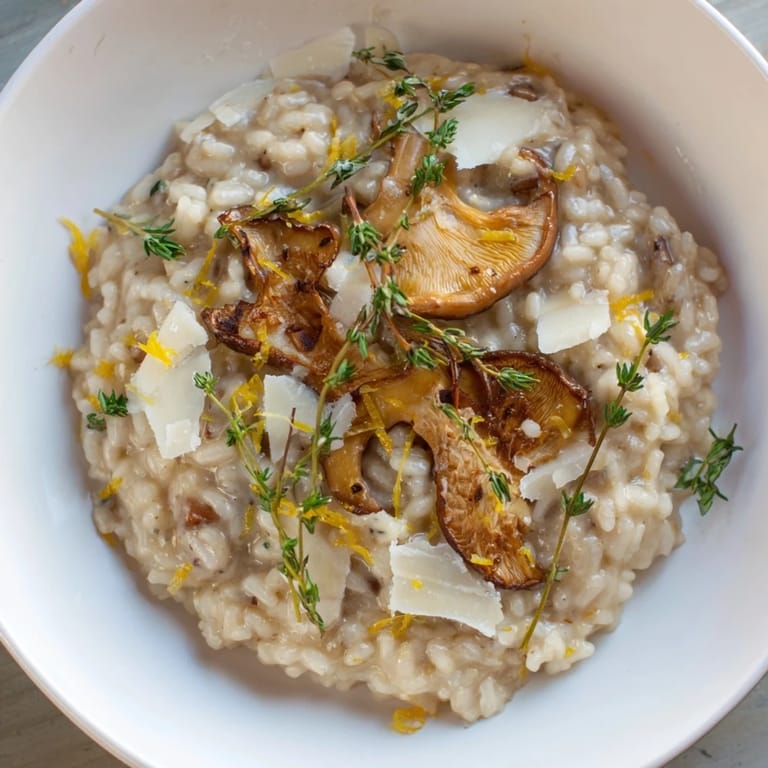
 A creamy, aromatic risotto infused with earthy mushrooms, fresh thyme, and a subtle cedarwood essence—perfect for rustic, woodland-inspired comfort dining.
This recipe quickly became a favorite after I served it to guests who loved its earthy flavors and elegant simplicity.
Ingredients
- Mushrooms: 400 g mixed wild mushrooms (such as cremini, shiitake, oyster), cleaned and sliced, 2 tbsp unsalted butter, 1 tbsp olive oil
- Risotto Base: 1 small yellow onion finely chopped, 2 garlic cloves minced, 300 g arborio rice, 125 ml dry white wine, 1 liter vegetable stock kept warm, 4 5 sprigs fresh thyme (plus extra for garnish), 1 small cedar wood plank (food-safe, soaked in water for 1 hour)
- Finishing: 50 g grated Parmigiano Reggiano (plus extra for serving), 2 tbsp unsalted butter, Salt and freshly cracked black pepper to taste, Zest of 1 lemon (optional)
Tired of Takeout? 🥡
Get 10 meals you can make faster than delivery arrives. Seriously.
One email. No spam. Unsubscribe anytime.
Instructions
- Preheat oven:
- Preheat oven to 180°C (350°F). Place the soaked cedar plank on a baking tray and bake for 10 minutes to release its aroma, then remove and set aside.
- Sauté mushrooms:
- In a large, heavy-bottomed pot or Dutch oven, heat 2 tbsp butter and olive oil over medium heat. Add the mushrooms and sauté until golden and tender, about 6 8 minutes. Remove mushrooms and set aside.
- Sauté onion and garlic:
- In the same pot, add more olive oil if needed, then add the onion. Sauté until translucent, about 3 minutes. Stir in garlic and cook for another minute.
- Toast rice:
- Add the arborio rice and toast, stirring, for 2 minutes until the grains are glossy and slightly translucent.
- Add wine:
- Pour in the white wine and stir until absorbed.
- Infuse cedar aroma:
- Place the cedar plank at an angle on the edge of the pot so the steam and heat infuse the risotto with cedar aroma (do not submerge the plank). Add thyme sprigs.
- Add stock:
- Begin adding the warm vegetable stock one ladleful at a time, stirring frequently and allowing each addition to be absorbed before adding the next. Continue until the rice is creamy and al dente, about 18 20 minutes (you may not need all the stock).
- Return mushrooms:
- Return the mushrooms to the pot in the last 5 minutes of cooking. Remove the thyme sprigs and cedar plank.
- Finish risotto:
- Stir in the grated Parmigiano Reggiano, 2 tbsp butter, and lemon zest if using. Season with salt and pepper to taste.
- Serve:
- Serve hot, garnished with extra thyme and Parmigiano.
 Pin It
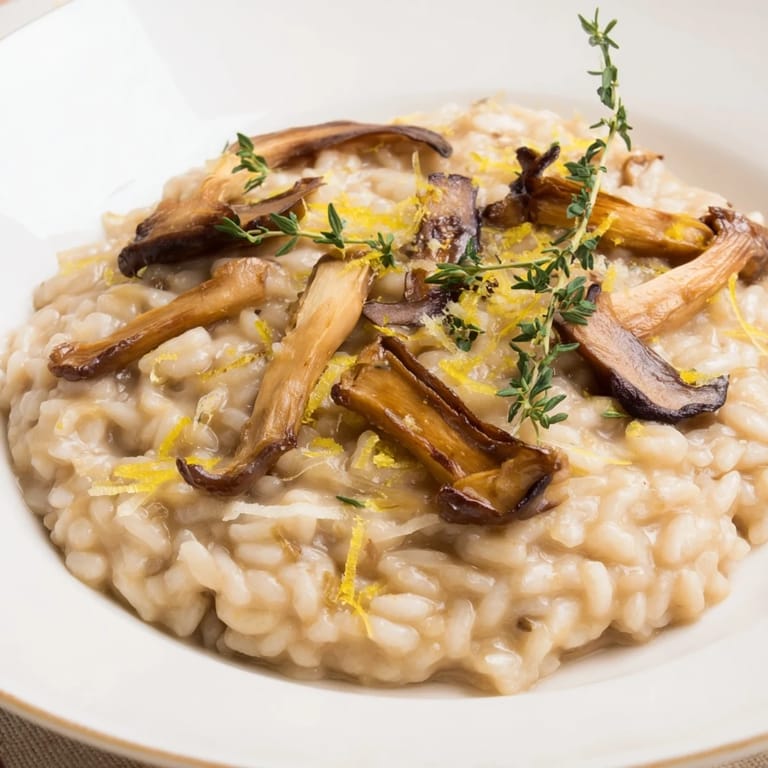
 My family gathers around this risotto on chilly evenings, savoring each creamy bite as the cedar aroma fills the room.
Required Tools
Heavy-bottomed pot or Dutch oven, Wooden spoon, Ladle, Baking tray, Food-safe cedar wood plank
Allergen Information
Contains milk (butter, Parmigiano Reggiano) and sulfites (white wine). May contain traces of gluten if stock or cheese is not certified gluten-free. Always check labels for potential allergens.
Nutritional Information
Per serving: 480 calories, 15 g total fat, 69 g carbohydrates, 13 g protein.
 Pin It
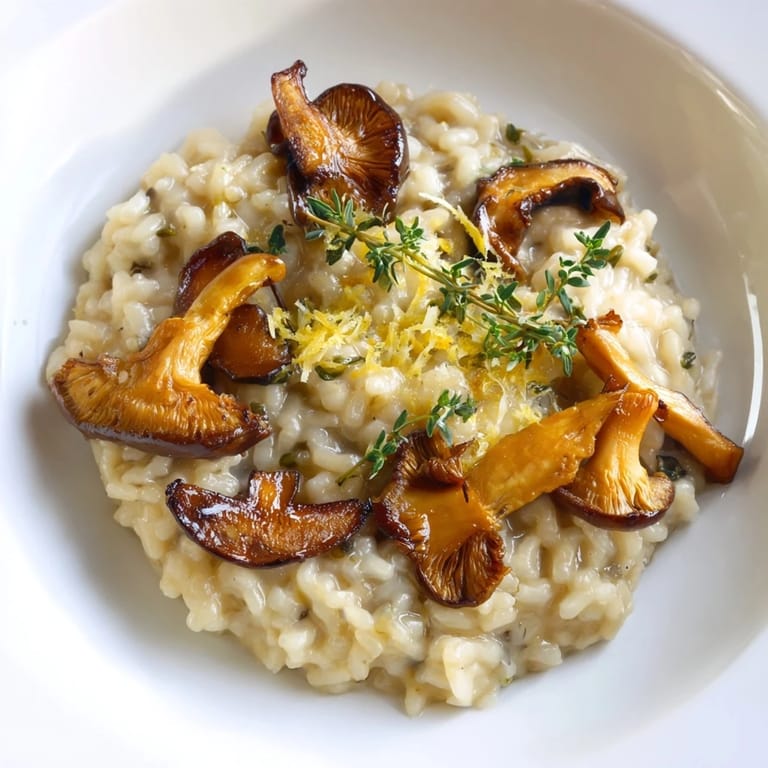
 This risotto offers a perfect balance of flavors and aromas, making it an impressive yet comforting dish for any occasion.
Recipe Questions & Answers
- → What types of mushrooms work best for this dish?
A mix of wild mushrooms like cremini, shiitake, and oyster provides earthy depth and varied textures essential for this risotto.
- → How does the cedar plank influence the flavor?
The cedar plank releases a subtle smoky and woody aroma when warmed, gently infusing the risotto with a unique rustic essence without overpowering.
- → Can I substitute the white wine in cooking?
Yes, dry white wine adds brightness and acidity, but you can replace it with additional vegetable stock or a splash of lemon juice if preferred.
- → What is the best way to achieve creamy risotto texture?
Slowly adding warm stock one ladle at a time while stirring encourages the rice to release its starch, producing a smooth and creamy texture.
- → Is it necessary to remove the thyme sprigs and cedar plank before serving?
Yes, removing them ensures the flavors are infused perfectly without bitter or woody bits in the finished dish.
- → How can I add seasonal variation to this dish?
Incorporate spring vegetables like peas or asparagus tips towards the end of cooking for fresh, vibrant notes.