 Pin It
 There's something about spring that demands a cake worthy of the season, and this one arrived in my kitchen on a whim—I'd been scrolling through pressed flowers online late one evening and suddenly thought, why not bake something that matches that delicate energy? The moment I combined the bright lemon frosting with soft vanilla layers, I knew this was the cake I'd been searching for. It's the kind of dessert that looks like it took days but surprises you with how manageable it truly is.
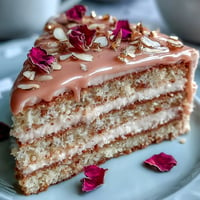
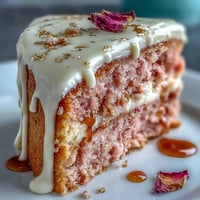
I made this cake for my sister's garden party last April, and watching people's faces when they saw it—really saw it, with those violet petals catching the afternoon light—reminded me why we bake in the first place. It wasn't about the taste alone (though they loved that too); it was about creating something beautiful enough to pause over. She still texts me photos of that day whenever flowers start blooming.
Ingredients
- All-purpose flour (2 ½ cups): This is your structure; don't skip sifting or the cake risks being dense and disappointing.
- Baking powder (2 ½ tsp): Room temperature ingredients matter more here than you'd think, but this leavening agent is what gives you those tender, open crumbs.
- Unsalted butter (1 cup for cake, 1 cup for frosting): Softened butter incorporates air better than cold butter; let it sit out for 30 minutes before you start.
- Granulated sugar (1 ¾ cups): Creaming this with butter is where you build volume; rushing this step shows in the final texture.
- Eggs (4 large, room temperature): Cold eggs don't blend smoothly with the butter mixture and can create lumps that won't disappear.
- Vanilla extract (1 tbsp): Use real vanilla if you can; the flavor difference is subtle but real.
- Whole milk (1 cup, room temperature): Alternate it with flour to keep the batter from breaking and ensure even moisture throughout.
- Powdered sugar (4 cups, sifted): Sift this before measuring or you'll end up with grainy frosting and frustration.
- Fresh lemon juice (2 tbsp) and zest (2 tsp): Fresh lemon is non-negotiable here; bottled juice tastes dusty by comparison.
- White chocolate chips (1 cup): Quality matters because low-grade chocolate can seize or taste waxy when heated.
- Heavy cream (⅓ cup): This creates the ganache that drips like silk; it's worth buying fresh rather than using old cream.
- Edible flowers: Research your source carefully; grocery store flowers are often treated with pesticides, so find a specialty supplier or grow your own.
Tired of Takeout? 🥡
Get 10 meals you can make faster than delivery arrives. Seriously.
One email. No spam. Unsubscribe anytime.
Instructions
- Prep your pans and preheat:
- Set your oven to 350°F and let it come to temperature while you ready three round pans—greasing, lining with parchment, and a light flour dusting prevents sticking and ensures clean edges. This step takes five minutes but saves so much grief.
- Mix your dry ingredients:
- Whisk flour, baking powder, and salt together in a medium bowl; this distributes the leavening evenly and prevents pockets of bitterness from baking powder clumps.
- Cream butter and sugar:
- Beat them together for a full 3 to 4 minutes until the mixture looks pale and fluffy, almost like frosting itself; this incorporates air that makes the cake rise and keeps it tender. Don't skip time here.
- Add eggs one at a time:
- After each egg, beat well so it emulsifies properly before the next one goes in; if you rush this, the batter can look broken and separated. It usually comes together by the end, but patience matters.
- Add vanilla and alternate wet and dry:
- Mix vanilla into the butter mixture, then add flour and milk alternately, starting and ending with flour; this prevents overmixing, which makes cakes tough and dense. Mix only until just combined each time.
- Divide and bake:
- Split the batter evenly among your pans—I use a kitchen scale for accuracy—and bake 25 to 30 minutes until a toothpick comes out clean. Cool in pans for 10 minutes (this stabilizes them), then turn out onto racks to cool completely.
- Make the lemon frosting:
- Beat softened butter until creamy, gradually add sifted powdered sugar, then mix in lemon juice and zest with just enough milk to reach a spreadable consistency. Taste it and adjust lemon to your preference; some people want more brightness.
- Level and layer:
- If your cake layers are domed, use a serrated knife to level them (those scraps are a baker's treat). Place the first layer on your serving plate, spread frosting, repeat, then frost the top and sides smoothly.
- Prepare the white chocolate drip:
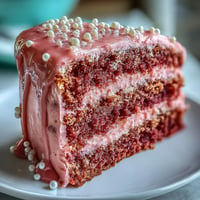
- Heat heavy cream until steaming (not boiling, which can scorch it), pour it over white chocolate in a heatproof bowl, let it sit 2 minutes, then stir until silky. If you want pastel colors, add gel food coloring now—just a tiny drop at a time.
- Drip and decorate:
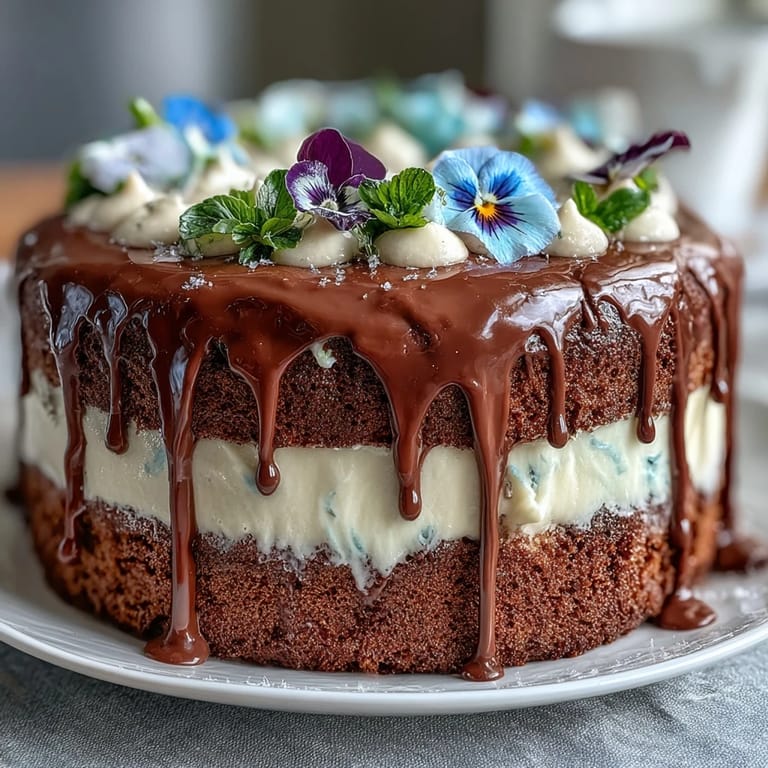
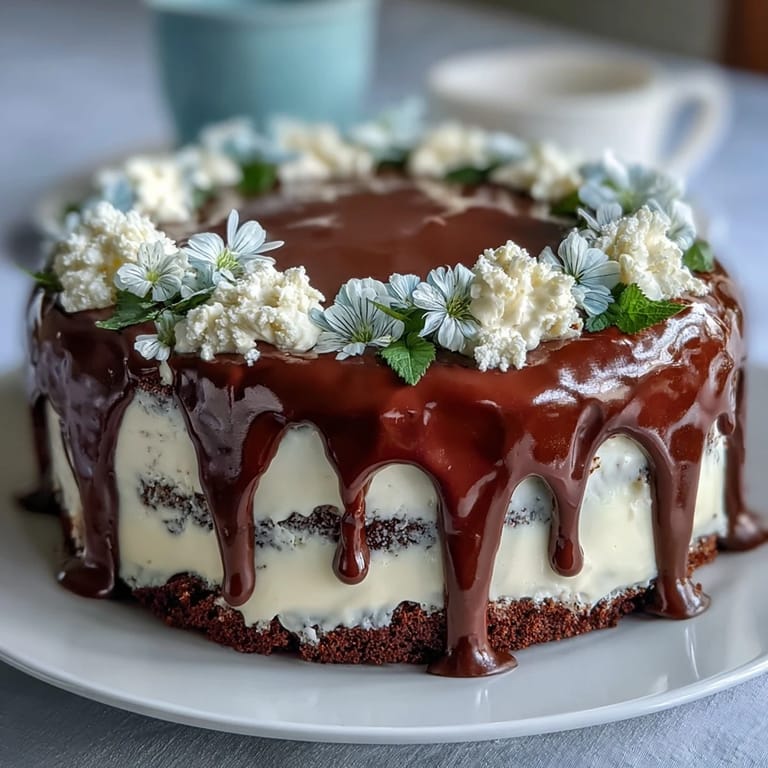
- Let the ganache cool until thick enough to drip slowly but still pourable (test on a spoon first). Use a squeeze bottle or spoon to create drips around the edge, letting gravity do the work, then pour the rest over the top and spread gently. Arrange edible flowers on top while the ganache is still slightly tacky so they stay in place.
 Pin It
 The first time I actually nailed the white chocolate drip, it was an accident—I'd made the ganache too thin and it ran everywhere, but somehow that imperfection looked intentional and elegant. That's when I stopped thinking about baking as a test I could fail and started seeing it as play with rules. This cake taught me that texture and flavor matter, but a little happy accident can make something even more beautiful.
Timing and Temperature Matters More Than You Think
I learned this the hard way when I once tried to make this cake with cold eggs straight from the fridge—the batter looked grainy and separated, and the finished cake was noticeably denser than it should have been. Since then, I pull everything out of the refrigerator 30 minutes before I start baking, and the difference is profound. The layers bake more evenly, the crumb is more tender, and the frosting spreads like silk rather than fighting you.
The White Chocolate Ganache Is Easier Than It Seems
The first time I heard the word ganache, I thought it required some secret professional technique, but it's honestly just two ingredients and a little patience. The key is letting the hot cream sit on the chocolate for a moment before stirring; rushing this step leaves you with chunks instead of smoothness. I've found that slightly cooler cream (not boiling) gives you better control over the final consistency, and letting it cool to that sweet spot where it drips but still has structure is the whole game.
Sourcing Edible Flowers Safely
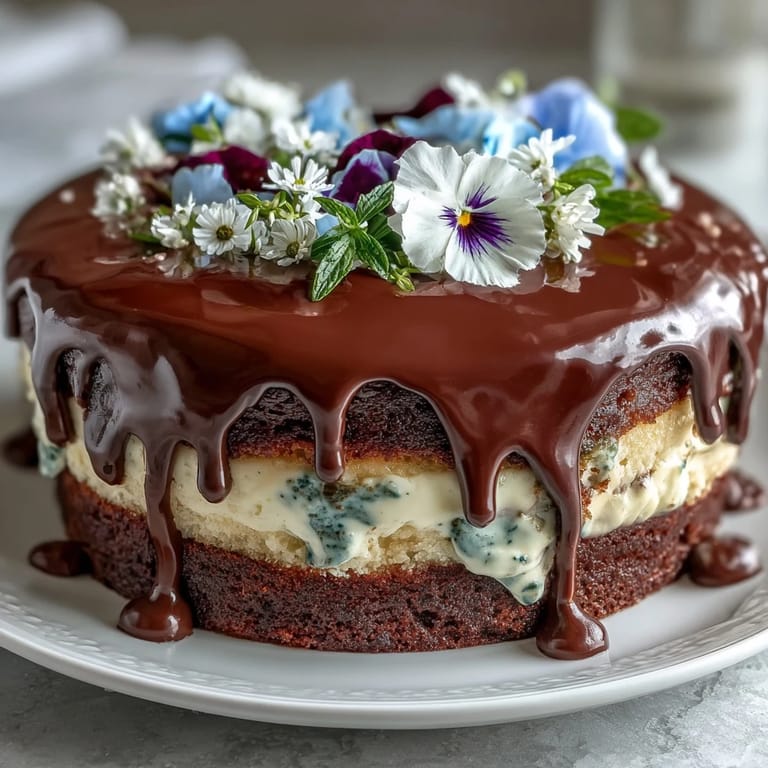
This part stumped me at first because I didn't realize that most florist flowers come drenched in pesticides and weren't intended for eating. After a few calls to my local farmers market and a conversation with an actual flower grower, I learned that you can either buy from specialty food suppliers, grow your own (pansies, violets, and rose petals are surprisingly easy), or ask florists if they carry untreated varieties. It's worth the extra effort because the wrong flowers could make someone genuinely sick.
- Check with specialty food retailers, farmers markets with dedicated flower growers, or online suppliers that specifically label flowers as pesticide-free and food-safe.
- If you're growing your own, avoid any pesticide use for at least two weeks before harvesting.
- Edible flowers wilt quickly once placed on the cake, so decorate within an hour of serving for the best visual impact.
 Pin It
 Baking this cake feels like inviting spring into your kitchen, and serving it feels like sharing that invitation with the people you love. There's real joy in something this beautiful that's also genuinely delicious and not as complicated as it appears.
Recipe Questions & Answers
- → How do I achieve a smooth lemon frosting?
Beat the butter until creamy before gradually adding powdered sugar. Mix in fresh lemon juice and zest, adding milk to reach a creamy, spreadable consistency.
- → What is the best way to make the white chocolate drip?
Heat heavy cream until simmering and pour over white chocolate. Let sit for 2 minutes, then stir until smooth and slightly thickened for a perfect drip texture.
- → Which flowers are safe for decoration?
Use edible, pesticide-free flowers such as violets, pansies, and rose petals. Always verify their safety before use.
- → How can I store the cake to maintain freshness?
Store the cake in the refrigerator for up to 3 days and bring to room temperature before serving for best flavor and texture.
- → Can this cake be adapted for gluten-free diets?
Yes, substitute the all-purpose flour with a 1:1 gluten-free flour blend to make the sponge suitable for gluten-free needs.