 Pin It
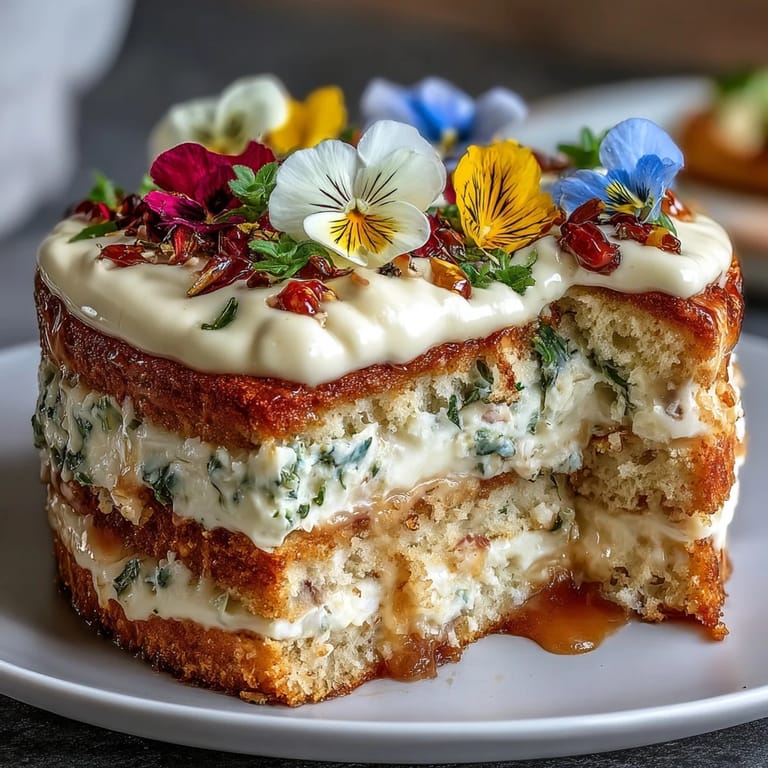
 Last spring, my kitchen felt alive with the buzz of a gentle breeze through the window and a scatter of flower petals across the countertop. That morning I decided to bake a cake that would mirror the vibrant garden outside—pressing edible blossoms into creamy frosting and layering it all with a tangy lemon curd. The aroma of butter and citrus was nearly as intoxicating as the sight of pansies and violets waiting for their grand appearance atop the cake. Every step seemed to invite spring indoors, right down to the delicate jewel tones of the petals. I wasn’t sure if the finished cake would hold together, but the result was a little masterpiece of color and fragrance.
One afternoon, I brought the Spring Cake to a sunlit picnic for a friend’s birthday. She paused mid-conversation as the flowers stole her attention, and laughter erupted as we realized the pansies matched her dress. That spontaneous joy made me realize how much edible art can brighten a moment. I still recall the gentle clinking of forks as everyone tried to get the prettiest bite. There was no formality—just the easy pleasure of cake shared among friends.
Ingredients
- Unsalted butter: Softened butter is the secret to a fluffy sponge and a delicate crumb—I always let it sit out until it feels velvety to the touch.
- Granulated sugar: Creaming the sugar until pale brings lightness and structure—don’t rush this step, even if you’re tempted.
- Eggs: Room temperature eggs blend smoothly and help the cake rise evenly—I learned to let them sit out while prepping.
- Vanilla extract: Adds warmth to the cake that pairs dreamily with lemon and flowers—use real extract for the best flavor.
- All-purpose flour: Sifted flour prevents lumps and makes each layer tender—I always tap it through a fine sieve.
- Baking powder: This ensures an airy texture—if it’s been in your cupboard awhile, test its freshness so your sponge doesn’t fall flat.
- Fine sea salt: Rounds out sweetness and enhances all the other flavors—I favor sea salt for its gentle bite.
- Whole milk: The richness melds everything together—don’t skip warming it to room temp before mixing.
- Lemon zest: Freshly grated zest gives bursts of citrus aroma—I once forgot this and missed that floral punch.
- Eggs (for lemon curd): They make the curd thick and glossy—take time to whisk so the mixture stays silky.
- Granulated sugar (for curd): Sweetens and balances sharp lemon—start tasting as it thickens so you hit the perfect tartness.
- Lemon juice: Squeeze your own for brightness—bottle juice just isn’t the same.
- Lemon zest (curd): Tiny shreds of zest scatter flecks and flavor—I always use the smallest grater for this.
- Unsalted butter (curd): Added off heat, it turns the curd velvety—cut into cubes to incorporate faster.
- Heavy cream: Cold cream whips to stable peaks—chilled bowl and beaters help enormously.
- Powdered sugar: Sifts seamlessly into the cream—no gritty bits if you run it through a sieve first.
- Vanilla extract (cream): Rounds out the whipped topping—just a splash keeps it light and fragrant.
- Pressed edible flowers: Choose organic, fresh petals for vivid color and flavor—pat them gently before pressing so they stay crisp and vibrant.
Tired of Takeout? 🥡
Get 10 meals you can make faster than delivery arrives. Seriously.
One email. No spam. Unsubscribe anytime.
Instructions
- Prep the Pans:
- Grease your cake pans and line with parchment for easy release—the paper should hug the sides so not a crumb sticks behind.
- Cream the Butter and Sugar:
- Let your mixer run until the blend goes pale and billowy; you’ll hear the soft slap of the paddle change as air sneaks in.
- Add Eggs, Vanilla, and Lemon:
- Crack the eggs in one by one, stirring them gently so the batter stays smooth—the zest will release a burst of sunshine when folded.
- Combine Dry and Wet Ingredients:
- Alternately add flour and milk in three parts; if the batter looks just a bit lumpy, stop mixing and let it rest.
- Bake:
- Fill the pans and slide them into the oven; breathe in the sweet scent as the cakes puff, then watch for golden edges and a clean toothpick test.
- Cool:
- Let them rest in pans ten minutes, then turn onto a wire rack—I always peek under the parchment to be sure the bottoms are smooth.
- Lemon Curd:
- Whisk eggs, sugar, juice and zest over a double boiler, stirring constantly so it stays creamy rather than scrambling; add butter off-heat and whisk until silky.
- Whip Cream:
- Beat cold cream, powdered sugar, and vanilla until stiff peaks hold their shape and the bowl feels frosty underneath.
- Assemble Layers:
- Place one sponge on the plate, spread lemon curd in a generous layer—don’t worry if some drips down the sides.
- Frost and Decorate:
- Smooth whipped cream over the top and sides, then press flowers gently onto the surface so they adhere without tearing.
- Chill and Serve:
- Pop the finished cake in the fridge for at least thirty minutes; this lets the curd and petals set firmly for easy slicing.
 Pin It
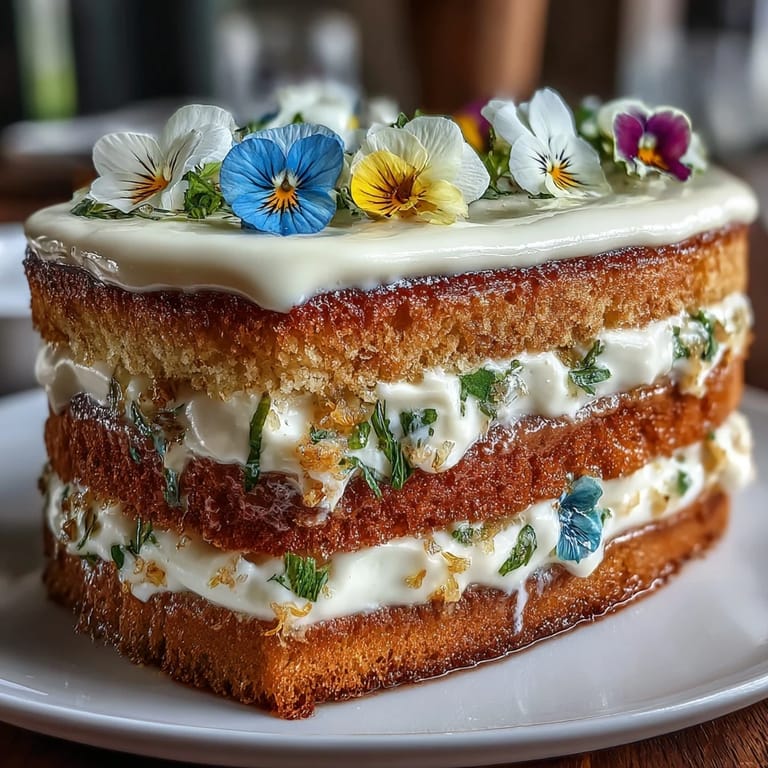
 When cousins visited for the first time in years, I served this cake on a mismatched platter, and suddenly the kitchen went silent as everyone studied the intricate floral decoration. It was more than dessert—it sparked stories about gardens and childhood, opening new conversations that lingered long after the plates were empty.
Choosing and Pressing Edible Flowers
I discovered that the best flowers for decorating are those with sturdy petals and vivid color, like pansies and violets. Pressing them between paper towels and weighted books for a day keeps them flat and sharp. Always double-check which varieties are safe and organic before using. The quickest way to press them is with gentle heat—sometimes I use a warm iron between parchment if I’m in a rush. Don’t press them too long or they’ll lose their natural shine.
Make-Ahead Tips for Cake Layers and Curds
To make busy days easier, I bake the cake layers in advance and wrap them tightly in plastic; they stay moist overnight. Lemon curd can be refrigerated for up to a week and still taste freshly made. If assembly time is limited, whipping the cream just before frosting keeps it stable. I once tried assembling with warm curd and learned firsthand why patience matters. A quick touch test on the sponge—if it’s cool, you’re good to go.
Assembling and Decorating with Ease
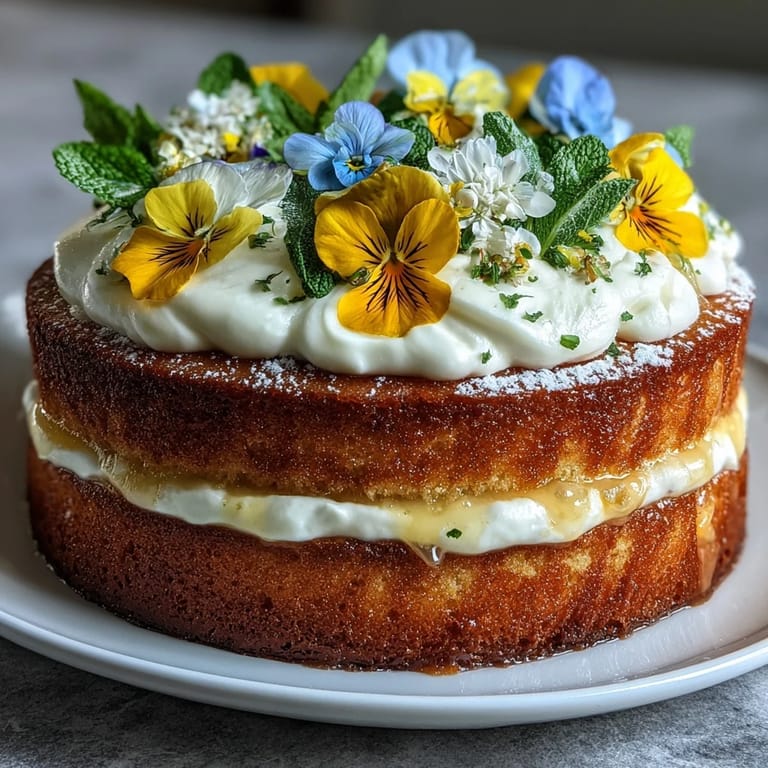
Arranging the petals is best done just before serving so they stay crisp and colorful. Use an offset spatula for even spreads, and don’t fuss over imperfections—each cake looks unique. Start with larger flowers in the middle and tuck smaller ones at the edges for a natural look. The cake chills best on a flat plate, not a wire rack, to keep the decorations from slipping.
- If petals curl, lightly mist them before pressing.
- For vivid contrast, combine different flower types and colors.
- Slice with a sharp knife cleaned after each cut for beautiful portions.
 Pin It
 This Spring Cake has a way of turning any gathering into a celebration, filling the room with smiles and bright colors. May your kitchen be filled with edible flowers, laughter, and maybe a little lemony magic, too.
Recipe Questions & Answers
- → How do I ensure edible flowers are safe?
Always source organically grown flowers, avoiding pesticides and ensuring they are listed as edible. Rinse gently before use.
- → Can I bake the cake layers ahead?
Yes, bake layers a day in advance and store wrapped at room temperature to maintain freshness before assembling.
- → How is lemon curd made from scratch?
Whisk eggs, sugar, lemon juice, and zest over a double boiler, cooking until thick. Add butter off-heat for a smooth finish.
- → What kind of flowers work best?
Pansies, violets, nasturtiums, and rose petals add vibrant color and a mild floral taste. Choose organic varieties only.
- → What can I serve with this cake?
Pair with Earl Grey tea or sparkling Moscato to complement the cake's bright lemon and floral notes.
- → Is this suitable for vegetarians?
Yes, it contains no meat or gelatin, but does include eggs and dairy. Ideal for vegetarian diets.
- → Are there allergens to watch for?
This dessert contains eggs, dairy, and wheat (gluten). Ensure flower sources are pesticide-free and safe for consumption.