 Pin It
 There's a moment in every home cook's life when you realize that sometimes the simplest dishes deserve the most luxurious treatment. I stumbled onto this version of grilled cheese on an ordinary Tuesday, standing in my kitchen with leftover truffle oil and sharp cheddar that needed using. The combination felt almost absurd at first—why elevate something so humble?—but that first bite answered the question completely. The earthy truffle aroma rising from the golden bread, the way the sharp cheddar sang against the buttery crunch, it transformed an afternoon snack into something I couldn't stop thinking about.
I made this for my neighbor one rainy afternoon when she stopped by with wine and we decided lunch should be special. She took one bite and her eyes went wide—not in that performative food-blogger way, but genuinely surprised that something so quick could taste so intentional. We ended up making three more rounds and talking for two hours. That's when I knew this sandwich had staying power.
Ingredients
- Sourdough or country-style bread: Four slices give you two sandwiches, and the slight tang of sourdough plays beautifully with truffle's earthiness—it's sturdy enough to handle the butter and cheese without falling apart.
- Sharp cheddar cheese: About 150 grams total, sliced or grated; the sharpness is non-negotiable here because mild cheddar will disappear under the truffle oil's personality.
- Unsalted butter: Two tablespoons softened, which lets you spread it evenly without tearing the bread—this is your golden-brown insurance policy.
- Truffle oil: Two teaspoons total, drizzled after cooking; white truffle oil tastes brighter and more delicate, while black truffle oil brings deeper, almost nutty notes.
- Freshly ground black pepper: Just a pinch inside if you want it; it's optional but adds a quiet sophistication that ties everything together.
Tired of Takeout? 🥡
Get 10 meals you can make faster than delivery arrives. Seriously.
One email. No spam. Unsubscribe anytime.
Instructions
- Get your skillet ready:
- Heat a large nonstick skillet or griddle over medium heat for a minute or two—you want it hot enough that a drop of water sizzles gently, not violently. Too high and your bread burns before the cheese melts; too low and you get sad, pale bread.
- Butter like you mean it:
- Spread softened butter on one side of each bread slice, making sure you cover the edges. This is your flavor foundation and your browning guide.
- Create the first layer:
- Place two bread slices buttered-side down in the skillet. Listen for that gentle sizzle—it should sound satisfied, not aggressive. Layer your cheddar evenly over both slices, then add a pinch of black pepper if you're using it.
- Build and press:
- Top with the remaining bread slices, buttered side up. Press down gently with your spatula—you're encouraging the cheese to melt and the layers to bond, not squashing the life out of everything.
- Watch for the golden moment:
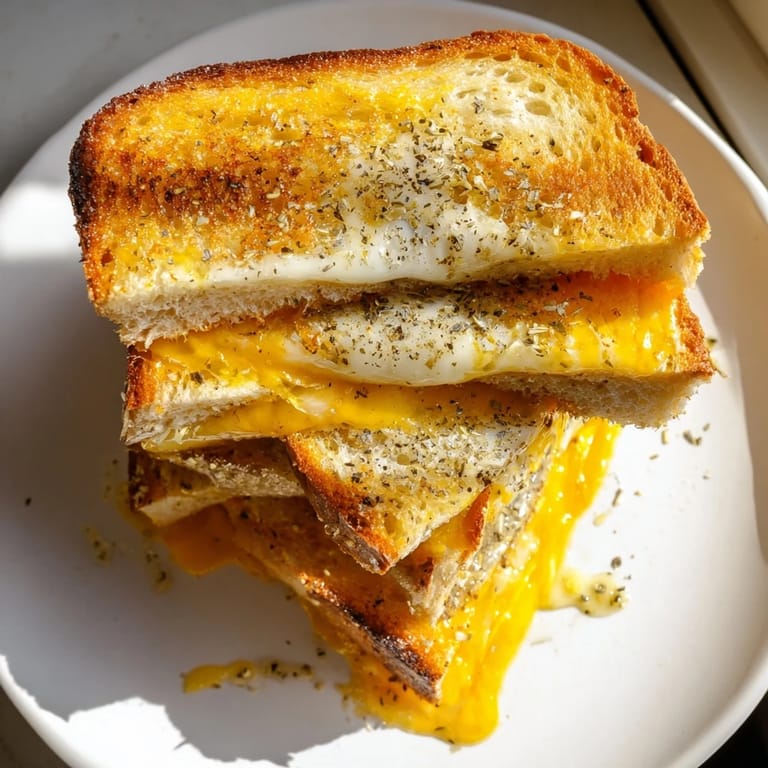
- Cook for 3 to 4 minutes per side, adjusting heat as needed so the bread turns deep golden brown and you can see the cheese starting to peek out from the edges. If it's browning too fast, lower the heat slightly and be patient.
- Rest and finish:
- Remove the sandwiches to a plate and let them sit for one minute—this lets the cheese set slightly so it doesn't ooze everywhere. Then drizzle each sandwich with one teaspoon of truffle oil, letting it sink into the warm bread.
- Cut and serve:
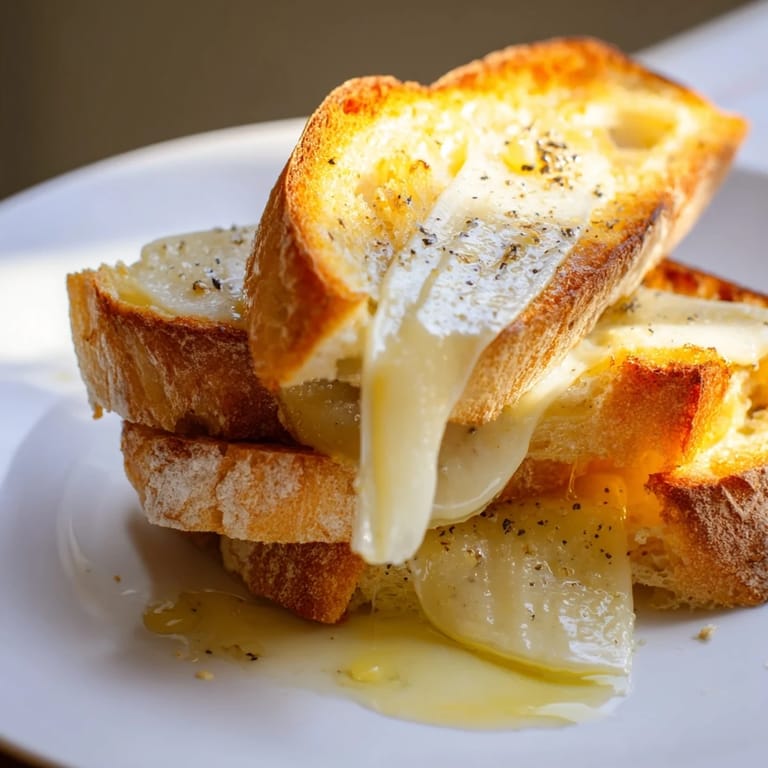
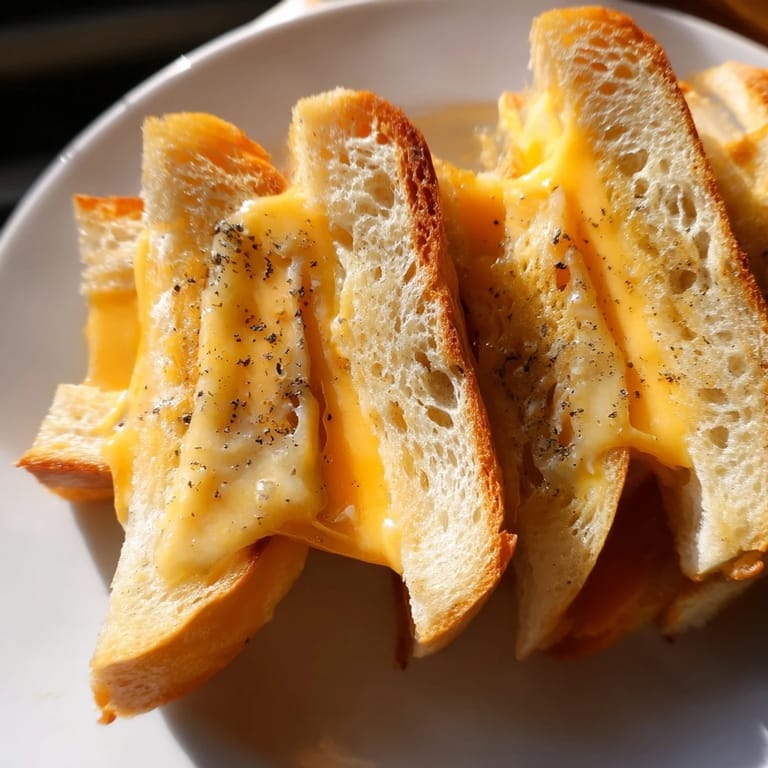
- Slice diagonally if you want them to feel special, then serve immediately while everything is warm and the truffle aroma is still rising.
 Pin It
 I think about how truffle oil was once something only restaurant kitchens could justify using, and now here I am, drizzling it onto a grilled cheese in my apartment on a Tuesday night. It's a small luxury, the kind that reminds you that good food doesn't have to be complicated, just intentional.
Why Sharp Cheddar Changes Everything
The sharpness of aged cheddar isn't just about flavor—it's about texture and presence. Mild cheddar melts into a kind of invisible comfort, which is fine for everyday grilled cheese, but here you want cheese that announces itself, that stands beside truffle oil as an equal rather than a supporting player. I once tried this with a younger cheddar and the result felt unfinished, like someone had whispered the recipe instead of speaking it clearly. Sharp cheddar has backbone.
The Truffle Oil Question
There's a lot of pretentious noise around truffle oil, and I'm here to tell you that some of it is fair—not all truffle oils are created equal, and cheap ones can taste weirdly artificial. But a decent bottle (even the mid-range ones from a good grocer) will transform this sandwich into something that feels genuinely special. The key is using it as a finishing touch, a drizzle of aroma and flavor rather than the main event. Think of it like salt, but earthier and more fragrant.
Bread, Butter, and the Art of Not Burning
The foundation of any grilled cheese is respecting the heat—too much and you'll have charred bread with cold cheese in the middle, too little and you get something that tastes steamed rather than cooked. I've learned to watch for the sound and smell, the exact moment when butter stops bubbling softly and the bread starts to smell like it's actually toasting rather than just warming up. That's your signal that something delicious is happening.
- If your first sandwich browns unevenly, adjust your heat before the second one—every skillet is different.
- Pressing gently helps the cheese melt faster without squeezing out the air that makes bread tender.
- Diagonal cuts aren't just for presentation; they somehow make the sandwich feel more intentional and worth savoring.
 Pin It
 This sandwich reminds me that luxury doesn't always mean complicated—sometimes it just means paying attention to what you're already making. Serve it with a crisp salad or a warm bowl of tomato soup, and you've got something worth slowing down for.
Recipe Questions & Answers
- → What type of bread works best?
Sourdough or country-style breads provide a sturdy base that crisps well while holding melted cheese nicely.
- → Can I use other cheeses besides sharp cheddar?
Yes, adding mozzarella or Gruyère can enhance creaminess and depth without overpowering the truffle oil aroma.
- → How should I apply the truffle oil?
Drizzle the truffle oil after cooking to preserve its aroma and delicate flavor, preventing it from burning during grilling.
- → Is it possible to make this dairy-free?
Replacing butter and cheese with plant-based alternatives allows a dairy-free version though flavors and texture will differ.
- → How can I get perfectly melted cheese?
Cook on medium heat pressing gently to brown bread without burning and allow cheese to melt thoroughly inside.