 Pin It
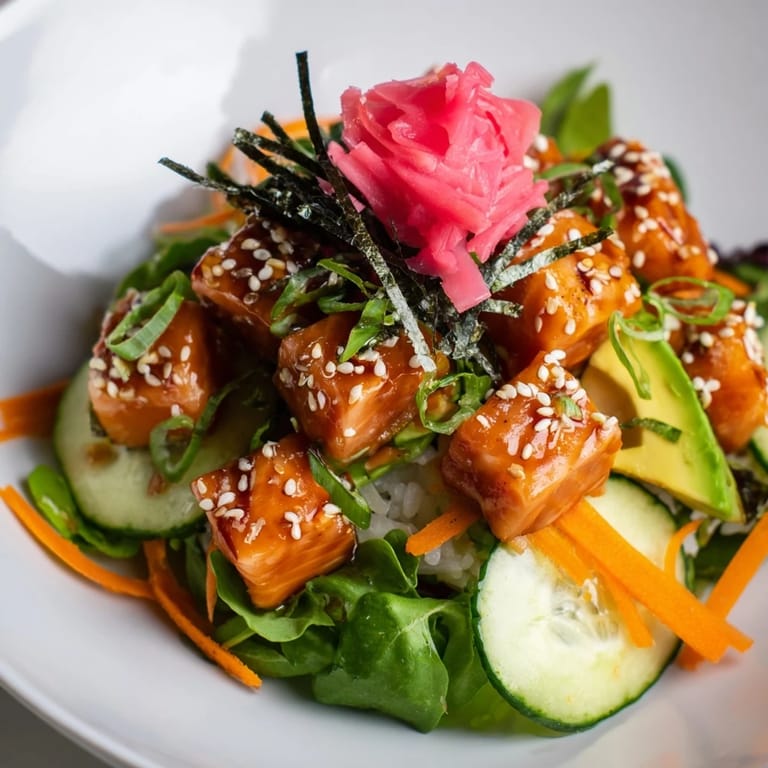
 There's something about assembling a poke bowl that feels like sitting at a sushi counter, except you're in control of every element. I discovered this recipe on a sweltering afternoon when the last thing I wanted was a hot meal, but I craved something fresh and substantial. My partner grabbed some impeccable salmon from the fishmonger, and within twenty minutes, we had four beautiful bowls that tasted like a Hawaiian escape. It became our go-to when we wanted to feel like we'd traveled somewhere warm without leaving the kitchen.
I'll never forget the first time I made this for my parents, who were skeptical about eating raw fish at home. By the time they tasted that first bite—the way the sesame oil and ginger played against the buttery avocado—their hesitation melted. My mom actually asked for the marinade recipe that night, and now she makes it every other week. That moment taught me that good food is as much about confidence as it is about ingredients.
Ingredients
- Sushi-grade salmon or tuna, 1 cm cubes: This is non-negotiable—ask your fishmonger specifically for sushi-grade fish, which means it's been frozen to kill parasites and is completely safe to eat raw. Buy it the day you plan to serve, and don't let it sit in the fridge for more than a few hours.
- Soy sauce: Use tamari or certified gluten-free soy sauce if needed; regular soy sauce works beautifully if you don't have restrictions, and it's the backbone of the marinade.
- Sesame oil: The fragrant, nutty kind (toasted sesame oil) makes all the difference—a little goes a long way.
- Rice vinegar: It's gentler and slightly sweet compared to regular vinegar, which keeps the marinade balanced.
- Fresh ginger: Always grate it yourself just before mixing; pre-minced loses its punch.
- Honey or maple syrup: A tiny touch of sweetness rounds out the savory and tangy notes.
- Mixed salad greens: Use whatever's crisp and fresh—peppery arugula adds a nice bite, but mild spinach works too.
- Cucumber, avocado, and carrots: These provide texture and freshness; slice and julienne them just before assembling to keep everything bright.
- Sushi rice or brown rice: Optional, but it makes the bowl more substantial and gives you something to soak up that precious marinade.
- Toasted sesame seeds, scallions, and nori: These finishing touches are what make people pause mid-bite and ask what you did differently.
Tired of Takeout? 🥡
Get 10 meals you can make faster than delivery arrives. Seriously.
One email. No spam. Unsubscribe anytime.
Instructions
- Make the marinade:
- Whisk soy sauce, sesame oil, rice vinegar, grated ginger, honey, and minced garlic in a bowl until the honey dissolves completely. The mixture should smell intensely aromatic—close your eyes and you might think you're standing in a Japanese kitchen.
- Marinate the fish:
- Add your cubed salmon or tuna to the bowl and toss gently with a fork so every piece gets coated without breaking apart. Cover it and let it sit in the refrigerator for at least 10 minutes while you prep everything else; this allows the flavors to actually penetrate the fish rather than just clinging to the surface.
- Build the salad base:
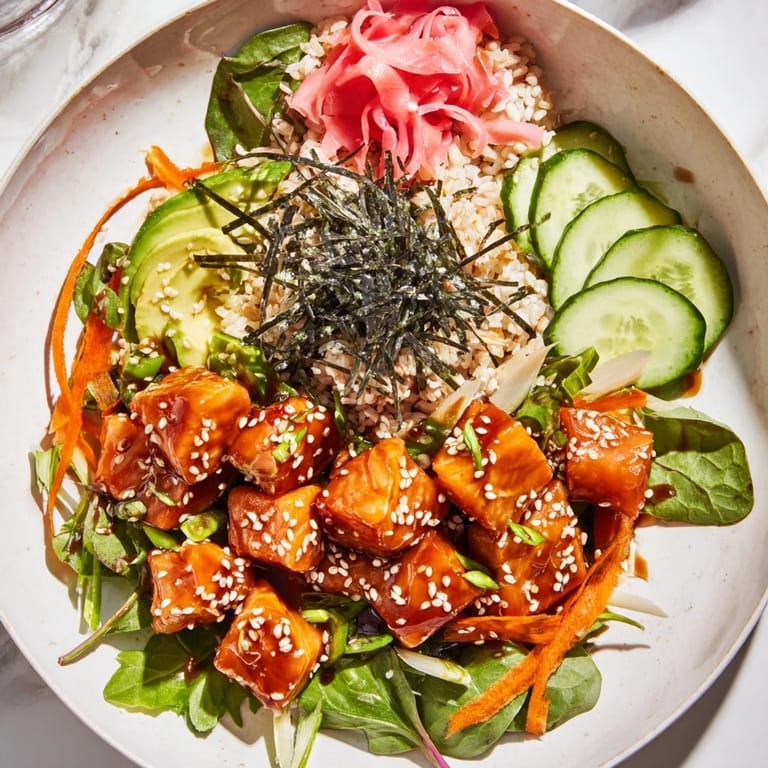
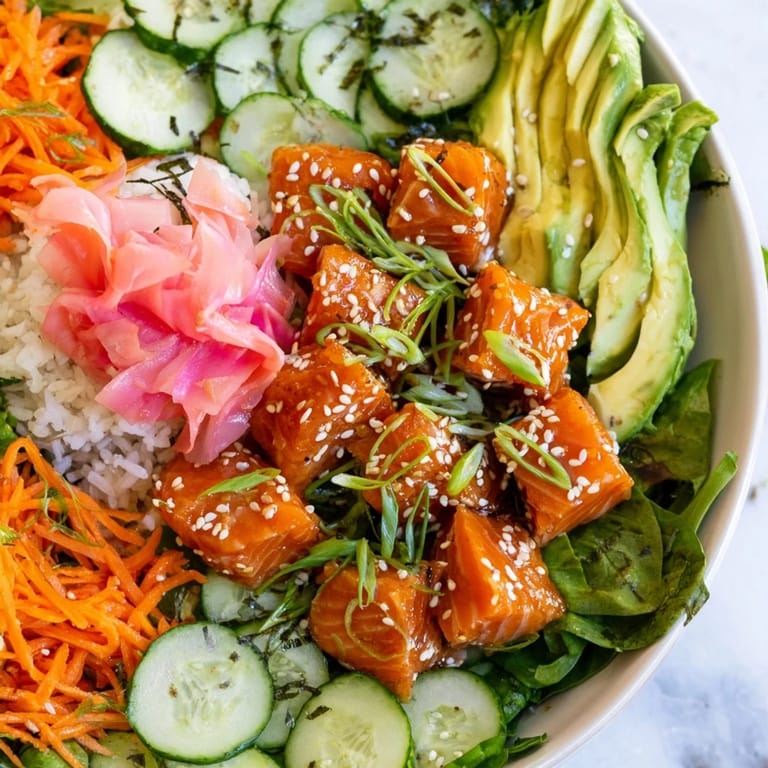
- Arrange greens, cucumber slices, avocado slices, and julienned carrots in individual bowls. If you're using rice, divide it evenly among the bowls as the foundation.
- Add the marinated fish:
- Spoon the fish directly over the salad base, then pour any remaining marinade over top—this liquid is liquid gold and shouldn't go to waste. The warmth of your hands and the brief time it spent marinating will have created something complex and delicious.
- Top and serve:
- Sprinkle sesame seeds, scallions, and nori strips over each bowl; add pickled ginger and a slice of red chili if you like heat. Serve immediately so everything stays crisp.
 Pin It
 One evening, a friend who claimed to dislike fish watched me assemble these bowls, got curious, and ate nearly two by himself. Afterward, he sat back and said, 'I don't hate fish—I just hate bad fish,' which stuck with me. This recipe somehow makes even cautious eaters believers.
Why This Works as a Meal
A poke bowl is one of those rare dishes that satisfies every category of hunger at once—the fish provides protein that actually keeps you full, the vegetables add fiber and nutrients, and the healthy fats from avocado and sesame oil make everything taste indulgent without being heavy. You can have it for lunch and not feel weighed down during the afternoon, or serve it for dinner when you want something light but impressive. It's also the kind of meal that looks like you spent hours thinking about nutrition when, really, you just assembled good things together.
Building Flavor Layers
The secret to a memorable poke bowl lies in understanding how the different elements talk to each other. The soy sauce and sesame oil bring umami and richness, the ginger and garlic add warmth and sharpness, and the rice vinegar cuts through everything with brightness. That balance is why the marinade tastes so complete—nothing overwhelms, and nothing disappears. When you add it all to fresh, high-quality ingredients, those flavors amplify each other instead of competing. It's a lesson that applies to cooking way beyond just this bowl.
Customization and Pairing
The beauty of a poke bowl is that it's genuinely flexible without becoming chaotic. A vegetarian in your group? Swap the fish for marinated tofu or tempeh, and marinate it in the same mixture for texture. Someone who wants more crunch? Add edamame, sliced radish, or even crispy wonton strips. I've made versions with brown rice, quinoa, and even no grain at all, and they've all been excellent. One important note: if you're cooking for mixed dietary needs, keep the components separate until the very end so everyone can build their own bowl exactly as they want it.
- Add pickled vegetables like daikon or carrot for extra tang and a textural contrast.
- Drizzle a tiny bit of sriracha or chili oil if your crew likes heat.
- Serve alongside edamame or miso soup to round out the meal without making anyone too full.
 Pin It
 This bowl has become my answer to 'what should we eat tonight?' when nobody wants to think too hard but everyone wants to feel nourished. There's real magic in something this simple.
Recipe Questions & Answers
- → What type of fish is best for this dish?
Sushi-grade salmon or tuna works best, providing fresh, tender cubes that absorb the marinade flavor beautifully.
- → Can I substitute the fish for a vegetarian option?
Yes, diced marinated tofu or tempeh make great plant-based alternatives, offering similar textures and flavor absorption.
- → What is the purpose of the soy-ginger dressing?
The soy-ginger dressing adds a tangy, slightly sweet flavor that enhances the freshness of the fish and crisp vegetables.
- → Is it necessary to include rice in the bowl?
Rice is optional; sushi or brown rice adds a satisfying base but the bowl works well without it for a lighter option.
- → How can I add extra crunch to this dish?
Incorporate edamame, radish slices, or toasted sesame seeds to introduce pleasing crunch and texture contrasts.
- → What are good beverage pairings with this dish?
A crisp white wine like Sauvignon Blanc complements the bright flavors and balances the soy-ginger notes.