 Pin It
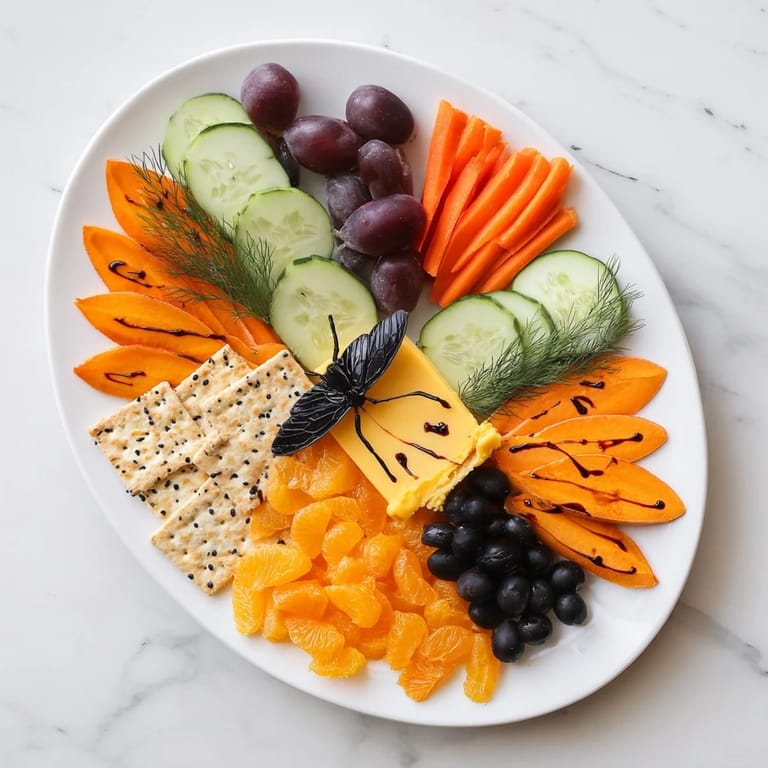
 I'll never forget the moment I first created this Monarch Butterfly Wings platter for my niece's garden birthday party. She had been obsessed with monarch butterflies after visiting a butterfly conservatory, and I wanted to make something magical that celebrated her passion. Standing in my kitchen that morning, arranging vibrant orange and jet-black ingredients into the unmistakable pattern of those delicate wings, I realized that food could be pure art. What started as an idea to impress a seven-year-old became something that guests of all ages couldn't stop photographing and talking about. That day taught me that the most memorable meals aren't always the most complicated—sometimes they're the ones that capture wonder on a plate.
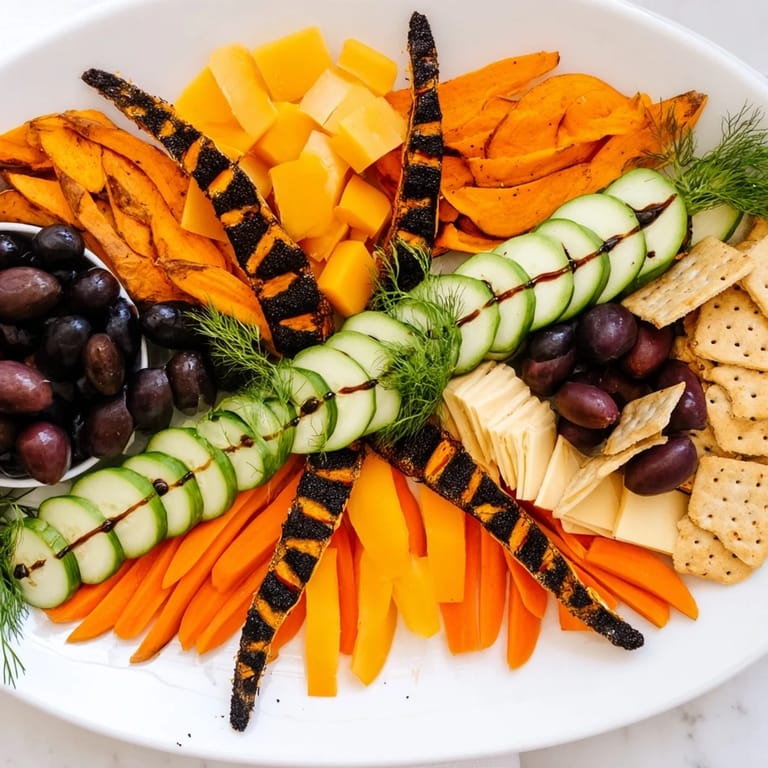
I'll never forget watching a room full of guests gasp when I unveiled this platter at a summer garden party. There was something about the bright oranges and deep blacks arranged in that symmetrical butterfly shape that made everyone pause before eating—they wanted to admire it first. One guest even said it felt wrong to disturb something so beautiful, but then they tasted the roasted sweet potato and creamy cheddar, and suddenly it became this joyful, interactive experience where everyone was building their perfect bite.
Ingredients
- Sweet potato, thinly sliced and roasted: This is your star player for the warm orange tones. Roasting brings out natural sweetness and creates a tender texture that contrasts beautifully with the crunchy crackers. I learned to slice them thin so they soften evenly—thick slices can be hard to eat directly from the platter.
- Carrot, peeled and sliced into thin rounds: These bright circles add that cheerful orange while keeping things light and fresh. The natural sweetness plays against salty elements.
- Orange bell pepper, deseeded and sliced into strips: Use a sharp knife here—you want clean, elegant strips that feel special. This pepper brings crunch and a subtle sweetness that ties the orange section together.
- Cheddar cheese, cubed: The creamy, slightly sharp cheddar adds richness and protein. I cube it generously because everyone gravitates toward the cheese first.
- Black olives, pitted and halved: These create that signature dark edge that makes the wings instantly recognizable. The briny, salty flavor is essential for balance.
- Black grapes, halved: A secret weapon that adds visual drama and a juicy sweetness. When you bite one, it creates a delightful contrast with the savory elements.
- Black sesame or black rice crackers: These add texture and visual interest. I prefer rice crackers because they stay crisp longer on the platter and feel less heavy than bread-based options.
- Balsamic glaze: A light drizzle highlights the wing pattern and adds subtle depth. Use sparingly—this is about enhancement, not drowning.
- Cucumber, sliced lengthwise into sticks: The cucumber becomes the butterfly's body, and its cool freshness is the backbone of the whole arrangement. Slice it just before serving so it stays crisp and juicy.
- Cream cheese, softened: This is your edible adhesive for those delicate details. The white dots along the black edges are what make someone say, 'They really thought about this.'
- Fresh dill or microgreens: These become the antennae and add a final flourish of natural elegance. Even if you think they're optional, they're really not—they complete the illusion.
Tired of Takeout? 🥡
Get 10 meals you can make faster than delivery arrives. Seriously.
One email. No spam. Unsubscribe anytime.
Instructions
- Prepare your canvas:
- Start by getting everything ready before you touch the platter. Roast your sweet potato slices at 400°F for about 15 minutes until they're tender but still hold their shape. While they cool, slice your vegetables with intention—thin, even pieces matter here because they're part of the visual design. Peel your carrot, slice your bell pepper into elegant strips, and have your cheese cubed and waiting. This prep work is where the recipe becomes manageable.
- Create the butterfly's body:
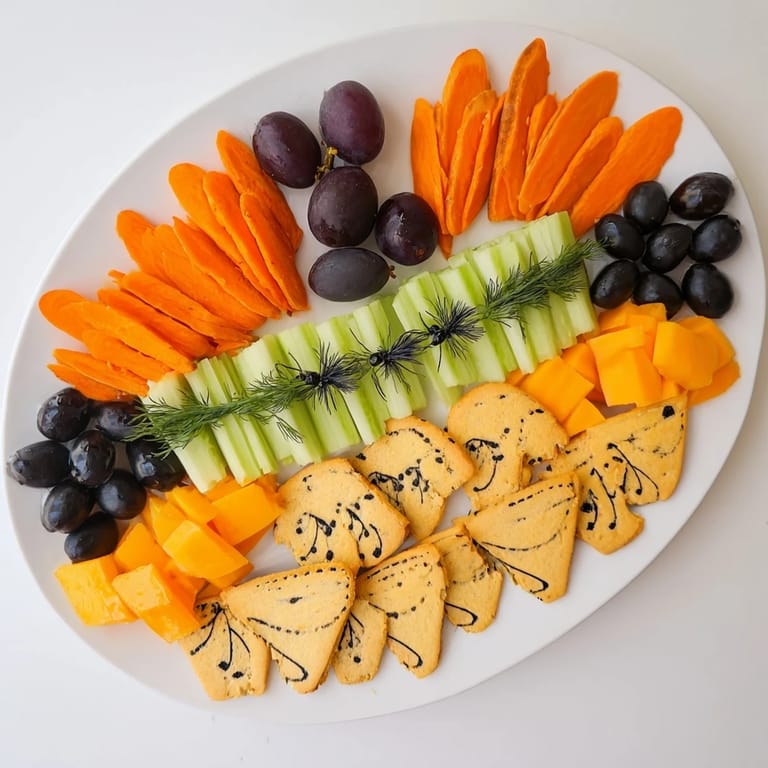
- On your largest serving platter, lay cucumber sticks down the center lengthwise. This is your anchor point. Step back and look at it—this simple line will guide everything else into place. It's meditative, really, laying down that foundation.
- Build the upper wings:
- On one side of the cucumber line, begin arranging your orange elements in a fan-like pattern, spreading outward as if the wings are catching sunlight. Start with sweet potato slices, then layer in carrot rounds and bell pepper strips. Think of it like you're creating a sunrise radiating from the center. Leave intentional gaps—these will be filled with black elements and create the authentic monarch pattern.
- Mirror the lower wings:
- Repeat the orange arrangement on the opposite side of the cucumber, making it as symmetrical as you can. Stand back frequently to check your balance. This is where patience pays off.
- Fill in with black elements:
- Now comes the satisfying part. Take your black olives and grapes and nestle them into the gaps between orange pieces, working from the outer edges inward. This creates that distinctive dark border that makes a monarch unmistakable. Scatter your black crackers throughout for texture and visual interest. Your platter is becoming recognizable now.
- Add the signature white spots:
- Using a small spoon, add delicate dots of softened cream cheese along the black edges and key points. These spots mimic the monarch's natural markings and add sophistication. You don't need many—just enough to feel intentional.
- Drizzle and garnish:
- Lightly drizzle balsamic glaze across the wings, following the pattern you've created. Less is more here—think of it as highlighting, not covering. Finally, place fresh dill or microgreens at the top of the cucumber body to create antennae. Step back and admire your work.
- Serve with joy:
- Encourage your guests to build their own bites, mixing and matching colors and flavors. The beauty of this platter is that it's interactive—everyone creates their own perfect combination.
 Pin It
 What moved me most about making this platter was watching a grandmother at one of my gatherings take a photo, then sit down next to her granddaughter and they both built bites together, pointing out their favorite parts and laughing at how beautiful it all was. That's when I understood that food arranged with love becomes a memory, not just a meal.
Making It Your Own
This platter is your canvas, and the ingredients are just suggestions. I've experimented with roasted butternut squash instead of sweet potato for deeper orange tones, and it was magnificent. Orange cherry tomatoes work beautifully too if you want something lighter. I've added thin slices of purple carrot or roasted beet to create color depth that makes guests do a double-take. Once you understand the structure—orange outer wings with black accents and a cucumber center—you can let your pantry and farmers market guide you. The magic is in the intentional arrangement, not rigid adherence to ingredients.
Pairing and Presentation
This appetizer feels special alongside sparkling water with fresh citrus or a crisp white wine that echoes the bright, fresh flavors. I've learned that the platter itself matters—a long oval or rectangular serving dish makes the butterfly shape sing far more than a round plate. Set it at eye level when guests arrive if you can. Let them walk up to it naturally. The first impression of color and symmetry is part of the gift you're giving.
A Recipe for Connection
What I love most about this recipe is that it removes barriers. It's vegetarian and naturally gluten-free with simple swaps. No one needs to worry about whether they can eat it. Everyone can participate, everyone can admire, everyone can enjoy. It works for children's parties and elegant gatherings. It's interactive without being fussy. It's art without pretension. Creating this platter reminds me why I cook—not just to nourish, but to create moments where beauty and flavor and togetherness are the same thing.
- Make this the day-of for maximum freshness and crunch, but all your prep work can happen the morning before.
- If you're nervous about symmetry, lightly sketch the wing pattern on parchment first, then place your platter on top as a subtle guide.
- Send guests home with the knowledge that they can make this too—it's the recipe that keeps giving.
 Pin It
 Every time I make this platter, I'm reminded that the simplest recipes often carry the biggest joy. There's something profoundly satisfying about transforming basic vegetables into something that stops people mid-conversation.
Recipe Questions & Answers
- → How do you create the butterfly body on the platter?
Sliced cucumber sticks are arranged lengthwise in the platter’s center to form the butterfly's body.
- → What ingredients provide the vibrant orange colors?
Roasted sweet potato slices, orange bell pepper strips, and thin carrot rounds contribute to the vivid orange wing sections.
- → How are the black elements arranged on the wings?
Black olives, halved grapes, and black sesame or rice crackers fill the spaces between orange components to mimic wing spots and edges.
- → What technique is used for the white decorative dots?
Small dots of softened cream cheese are carefully applied along the black edges for authentic wing pattern accents.
- → Can ingredient substitutions be made for more color variety?
Yes, roasted butternut squash or orange cherry tomatoes can replace some orange elements, while purple carrot or beet slices add contrast.