 Pin It
 Last summer, my friend texted asking if I could pull together something for a neighborhood gathering, and I found myself standing in the kitchen wondering how to feed a crowd without losing my mind to cooking. That's when the sandwich board clicked into place—no heat required, everyone gets exactly what they want, and the whole thing comes together in the time it takes to brew coffee. What started as a practical solution became the star of that afternoon, with people lingering around the table long after they'd eaten, building second and third combinations like they were solving a delicious puzzle.
I remember my cousin arriving early to that picnic, immediately gravitating to the board and asking if he could help arrange things. We ended up reorganizing the cheeses by color without anyone asking us to, laughing at how absurdly seriously we were taking sandwich aesthetics. By the time others arrived, he'd already sampled three different combinations and declared himself the official taste tester—that's when I knew this setup had legs.
Ingredients
- Ciabatta rolls: These sturdy Italian rolls hold up beautifully under the weight of meats and wet vegetables without falling apart mid-bite.
- Whole grain sandwich rolls: A heartier option that appeals to people who want something substantial and nutty-flavored.
- Sourdough bread: The tang cuts through rich meats and mayo, and thin slices make layering easier.
- Smoked turkey breast: Lean and flavorful, this is your gateway meat for people who might not go heavy on the board.
- Honey ham: Sweet undertones balance well with mustard and acidic pickles.
- Roast beef: The showstopper that makes people feel like they're building something genuinely special.
- Salami: A little goes a long way with cured meats—the saltiness makes people reach for more vegetables to balance it out.
- Swiss, cheddar, and provolone cheeses: Three different personalities means someone will find their match; Swiss is mild and nutty, cheddar is bold, provolone is smooth and buttery.
- Tomatoes: Slice them thickly so they don't get lost between bread and meat, and pat them dry so they don't soak everything.
- Cucumber: The cooling element that refreshes your palate between bites of rich meats.
- Red onion: Raw and thinly sliced, it adds a sharp bite that wakes up the whole sandwich.
- Romaine lettuce: Sturdy enough to handle moisture without wilting into sad leaves by the time someone builds their sandwich.
- Baby spinach: For the people who want something slightly fancier than lettuce without making a fuss about it.
- Avocado: Creamy and luxurious, though slice it close to serving time so it doesn't oxidize into brown sadness.
- Dill pickle slices: Tangy, crisp, and honestly the secret weapon that makes every combination better.
- Mayonnaise: Your neutral base that lets other flavors shine; use good quality mayo because the difference is noticeable.
- Dijon mustard: Sharp and sophisticated, this pairs beautifully with roast beef and darker meats.
- Hummus: A creamy, protein-packed spread that feels a bit more interesting than plain mayo.
- Pesto: A small amount goes far and transforms a basic sandwich into something herbaceous and memorable.
- Honey mustard: Sweet and tangy at once, this is the bridge between adventurous and familiar.
- Black olives: Briny and bold, they add sophistication without demanding much space on the board.
- Banana pepper rings: Slightly sweet heat that's less aggressive than jalapeños but more interesting than nothing.
- Sun-dried tomatoes: Concentrated tomato flavor in a compact form; drain the oil so they don't pool on your board.
Tired of Takeout? 🥡
Get 10 meals you can make faster than delivery arrives. Seriously.
One email. No spam. Unsubscribe anytime.
Instructions
- Set your stage:
- Find your largest serving board or platter—this is your canvas, and bigger really is better here because cramped boards feel stressful. Arrange all your breads in the center, creating little sections so people can grab what they want without fumbling around.
- Create your meat and cheese landscape:
- Lay out deli meats in overlapping fans or neat stacks, keeping each type separate so flavors don't blur together before someone builds their sandwich. Do the same with cheeses, arranging them so the colors complement each other—it sounds silly until someone says your board looks beautiful enough to photograph.
- Build your vegetable sections:
- Arrange tomatoes, cucumbers, onion, and lettuce in clusters around the board, using small bowls for things like spinach, olives, and pickles so they stay contained. This is where your board goes from functional to stunning—people will actually choose vegetables because they're displayed so appealingly.
- Spread the spreads:
- Spoon each condiment into its own small bowl with a dedicated spreading knife or spoon, keeping them separate so you don't end up with pesto-flavored mayonnaise halfway through the party. Group them together in one area so people know where to find them without asking.
- Garnish with intention:
- Scatter banana peppers and sun-dried tomatoes in any gaps on the board, using them to fill empty spaces and add pops of color. This final step makes everything feel intentional and abundant.
- Invite and observe:
- Let people build their own sandwiches, watching the combinations they create and learning what flavors resonate with your crowd. The beauty of this setup is that you get to see how people actually eat, which teaches you more than any recipe ever could.
- Hold or transport:
- If you're staying put, serve immediately while everything is fresh and crisp. If you're heading to a picnic, cover the board with plastic wrap and transport components separately, letting people assemble on-site where the bread stays fresh and vegetables don't wilt.
 Pin It
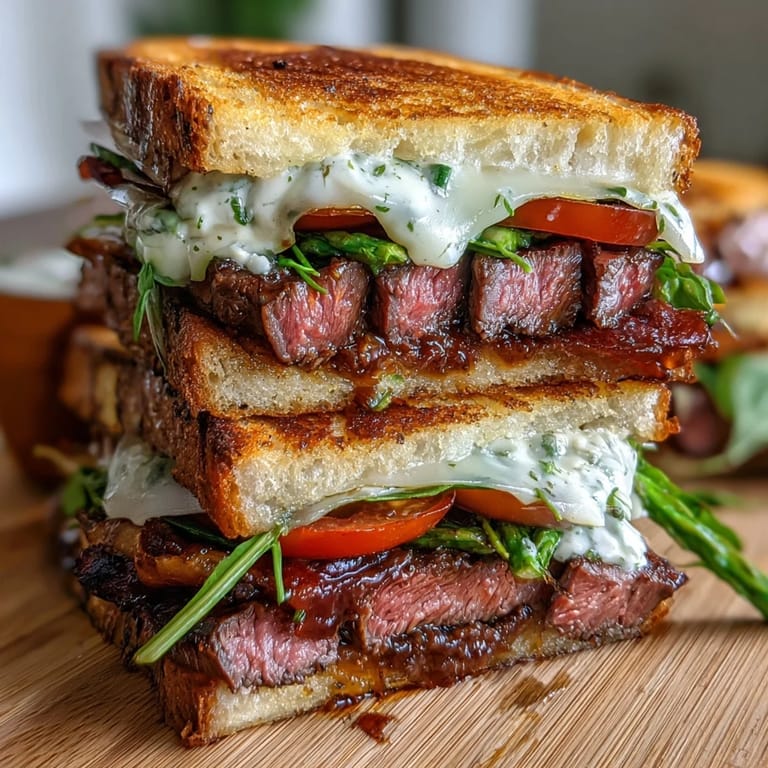
 There was this moment at the picnic when someone's kid built this absolutely outrageous sandwich—pesto, roast beef, sun-dried tomatoes, and pickles all stacked together in a way that should not have worked. But watching her face light up when she bit into it reminded me that the best part of food isn't perfection, it's giving people permission to make something entirely their own. That board became less about the individual ingredients and more about the small joy of choosing, combining, and discovering.
Why Boards Beat Platters
There's something about a board that feels more generous and inviting than a platter with everything already assembled. When people see options laid out and get to be the architect of their own meal, they're more adventurous, more satisfied, and somehow more connected to everyone else making choices around the same table. I've noticed people linger longer around a build-your-own board, actually talking to each other instead of rushing through a meal.
The Vegetable Conversation
Don't underestimate vegetables on a sandwich board—I used to think they were just filler, but the right vegetables transform a meat-and-cheese situation into something actually memorable. Fresh cucumbers add crunch that processed ham alone can never deliver, and a crisp romaine leaf prevents the whole thing from feeling heavy. The vegetables aren't decoration; they're active players that determine whether someone walks away thinking about what they just ate or forgetting it by tomorrow.
Making It Work For Everyone
This board thrives because it accommodates everyone without requiring you to make five different meals. The vegetarian guests can skip meat entirely and build something satisfying with hummus, avocado, and roasted vegetables if you add those.
- For people with dietary restrictions, clearly label which items contain common allergens like gluten, dairy, or soy so they can navigate confidently.
- If you're feeding a crowd with mixed preferences, keep vegetarian spreads separate from any that touched meat so nobody feels like they're eating something previously touched by ham.
- Consider adding hard-boiled eggs as a protein for non-meat eaters—they integrate seamlessly and give people real substance without awkwardness.
 Pin It
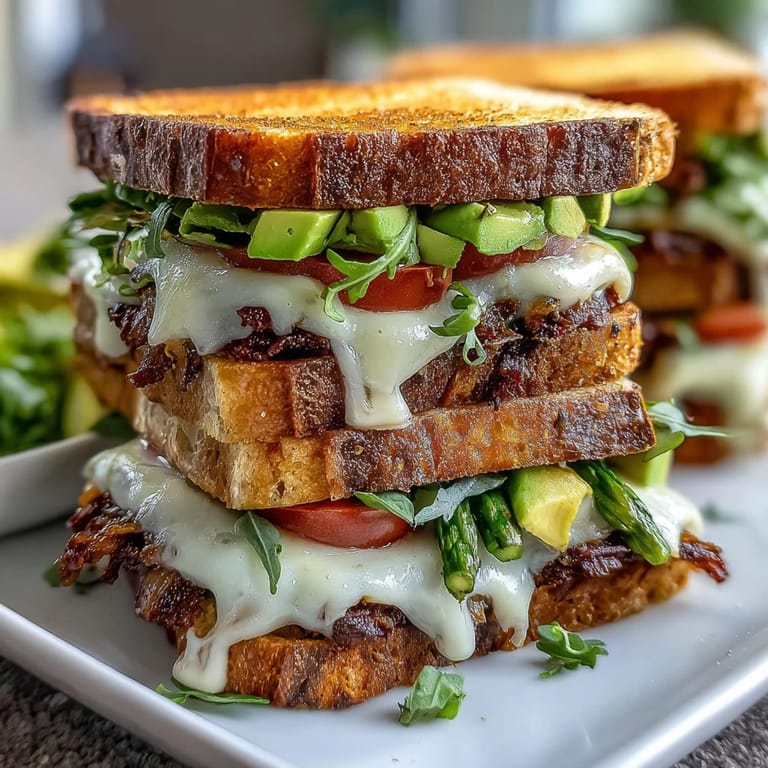
 The beauty of a sandwich board is that it transforms feeding people from a performance into an invitation—you're essentially saying, "I trust your judgment, and I want you to love what you make." That kind of kitchen generosity tends to circle back around.
Recipe Questions & Answers
- → How can I keep the deli meats fresh for a picnic?
Store the deli meats in airtight containers and keep them chilled until serving to maintain freshness and safety.
- → What breads work best for this sandwich board?
Ciabatta, whole grain sandwich rolls, and sourdough slices provide sturdy and flavorful bases for a variety of fillings.
- → Can I prepare the sandwich board ahead of time?
Arrange the components separately and cover them tightly. Assemble sandwiches just before serving to keep textures optimal.
- → What spread combinations complement the deli meats and cheeses?
Hummus and pesto offer rich, savory flavors, while Dijon mustard and honey mustard add tangy and sweet accents.
- → How can I accommodate vegetarian choices?
Include grilled vegetables, sliced hard-boiled eggs, or plant-based deli slices as alternative options on the board.
- → What are some suggested side pairings for this sandwich board?
Classic choices like chips, fresh fruit, or a light pasta salad enhance the meal and provide variety.