 Pin It
 I discovered the magic of a lavender-hued cheese board at a tiny market in Provence, where a vendor arranged goat cheese rounds dusted in purple like they were precious gems. There was something about the way the soft cheese caught the afternoon light, paired with the almost-black ash rind of brie beside it, that made me want to recreate that moment at home. When I finally gathered all the pieces—the edible flowers, the honey, the dark crackers—I realized this wasn't just about cheese; it was about building an edible landscape that felt intentional and beautiful. That first time I served it, guests lingered longer than usual, picking and pairing, talking quietly like they were admiring art.
My friend Sarah brought this to a dinner party last spring, and I watched her spend just twenty minutes putting it all together while we talked in the kitchen. She'd arranged the cheeses first, then clustered the grapes and figs like she was placing puzzle pieces, humming the whole time. When she brought it out, someone actually gasped—not because it was fussy, but because it felt generous and thoughtful. That's when I understood: this board works because it invites people in without making them feel like they're eating something too precious to touch.
Ingredients
- Lavender-coated goat cheese: The real star—look for ones where the lavender actually clings to the creamy surface, not one that looks dusty or sad; slice it gently or it crumbles everywhere.
- Ash-rinded brie: Buy it a day or two before serving so it softens slightly; cold brie is dense and doesn't show off its creamy heart the way you want it to.
- Seedless grapes: Halve them so they're easier to eat on a cracker; the juice bursts differently when they're cut, which sounds silly but genuinely changes the bite.
- Fresh figs: If you can't find good ones, dried figs work but add them sparingly since they're more concentrated and can overwhelm the delicate cheeses.
- Candied walnuts or pecans: These add the crunch that keeps every bite interesting; make your own if you have time because store-bought ones are sometimes too sweet.
- Lavender honey: This is the flavor bridge that ties everything together—a small drizzle goes a long way, so don't overdo it or it becomes cloying.
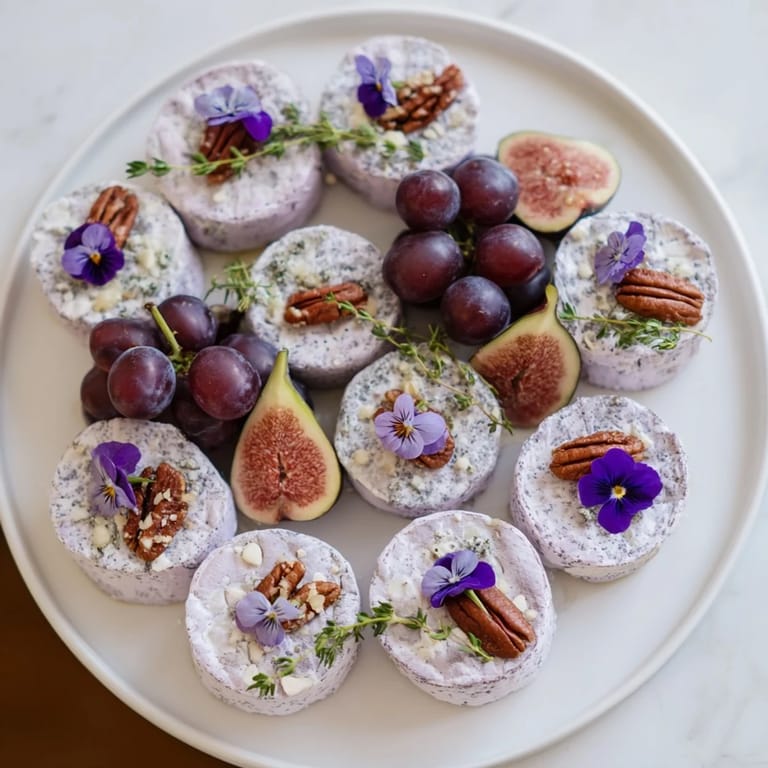
- Edible flowers: Source these carefully; they should smell like something pleasant, not like the garden after rain; violets and pansies have the gentlest flavor.
- Fresh thyme sprigs: Just a whisper of thyme adds an earthy note that keeps the whole board from feeling too sweet or precious.
- Toasted baguette slices: Toast them until they have a little snap; soggy bread ruins the whole experience and no one wants to eat it.
- Charcoal or black sesame crackers: These provide visual contrast and a subtle nutty or smoky note that grounds all the delicate flavors.
Tired of Takeout? 🥡
Get 10 meals you can make faster than delivery arrives. Seriously.
One email. No spam. Unsubscribe anytime.
Instructions
- Start with the anchors:
- Place your two cheeses on the board first, spacing them so they're not competing for attention but feel like they belong together. Think of them as the frame that everything else fills into.
- Build in clusters:
- Group the grapes and figs in little pockets around the cheese, creating natural gathering points for the eye. These fruit clusters also signal to guests where they should reach first.
- Add texture and crunch:
- Scatter the candied nuts throughout, making sure some land near the cheese and some near the fruit so every bite can include them if someone wants. Unevenness looks intentional; uniformity looks sterile.
- Drizzle with intention:
- Pour a small stream of lavender honey directly over the goat cheese, letting some pool slightly in the center. Place the honey vessel on the board too so guests can add more to their own bites.
- Crown with garnish:
- Scatter the edible flowers and thyme sprigs across the whole board in the last moment, tucking them into gaps and letting them rest on the cheese surfaces. They'll wilt slightly as the board sits, which somehow makes it look even more natural.
- Complete the architecture:
- Arrange the toasted baguette and crackers around the edges, creating a frame that invites people to start building their own combinations.
- Serve at the right moment:
- Bring it out when guests are ready to eat but not ravenous; people linger longer over a beautiful board when they're not desperately hungry.
 Pin It
 There's a particular quietness that happens when people gather around a beautiful board—they slow down, they look at what they're choosing, they make small decisions about flavor combinations. I watched someone pair the ash-rinded brie with a black sesame cracker and a single edible violet, and they closed their eyes for a second after tasting it. That's when I knew this board was working not because it looked fancy, but because it made people pay attention to what they were eating.
The Color Story
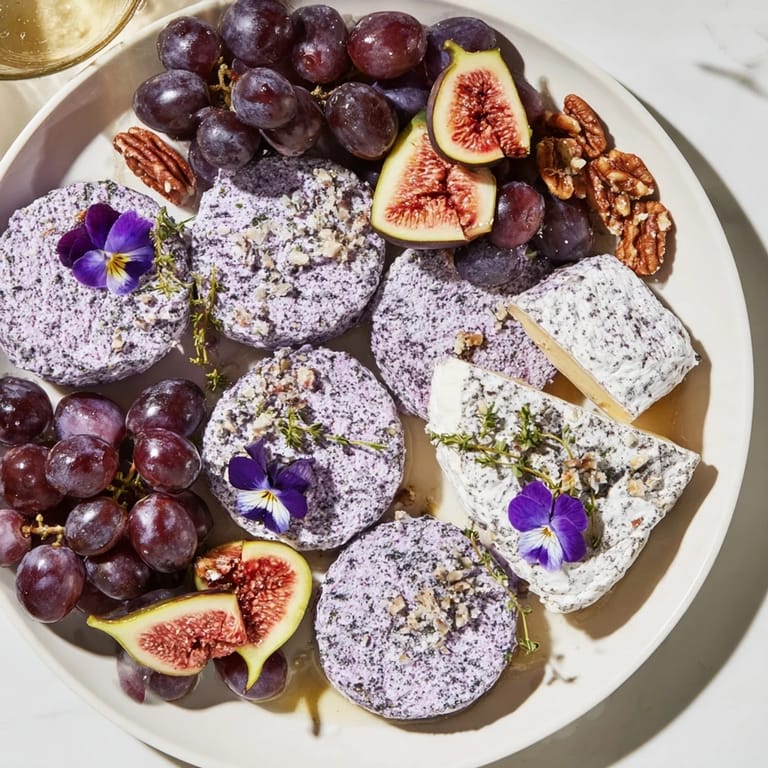
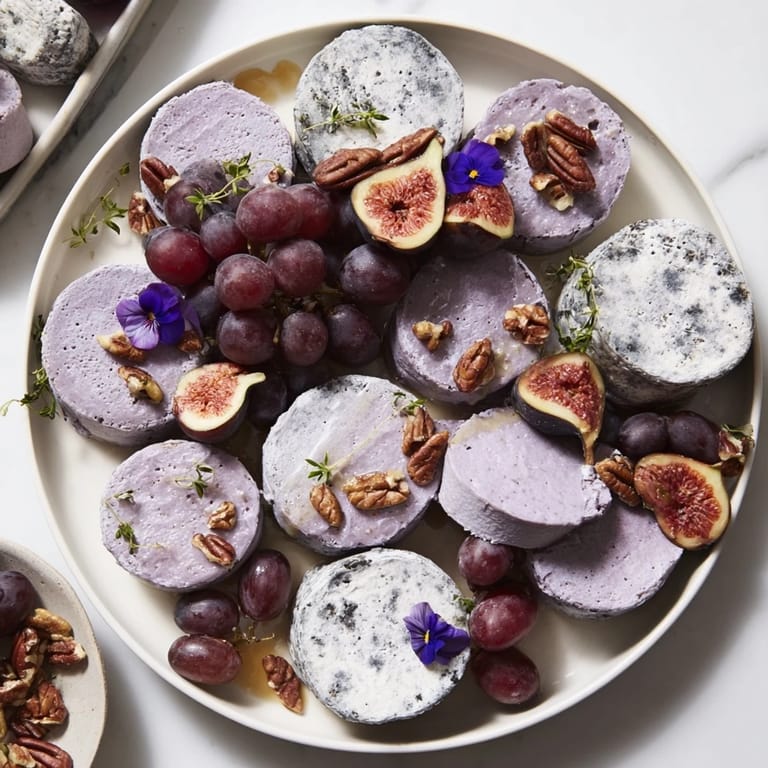
This board is called the Lavender Haze for a reason—the purples, greys, blacks, and soft creams create a cohesive visual story that feels elegant without trying too hard. The lavender-coated goat cheese is the obvious nod to the theme, but the ash rind on the brie echoes it in a more subtle way, and the dark charcoal crackers ground the whole palette. I've started thinking about cheese boards as color compositions as much as flavor ones, and it changed the way I approach them entirely. Purple endive leaves or thinly sliced purple radishes can deepen this theme even more if you want to lean fully into the color story.
Wine Pairing and Timing
Serve this with a chilled Provence rosé if you want something that echoes the lavender theme, or reach for a floral white wine like Gewürztraminer that picks up on the edible flowers and honey. The wine should be cold enough that condensation beads on the glass, creating that whole summer-aperitif vibe. I've found that people eat differently when they're sipping something beautiful—they slow down, they taste more deliberately, and they actually enjoy the board instead of just clearing it. Think of the wine as part of the experience, not an afterthought.
The Board as a Conversation Starter
There's something about a thoughtfully arranged cheese board that invites people to linger and talk. It signals generosity without saying anything about effort, and it creates a natural gathering point in a room. I've started serving this board when I want an event to feel special but relaxed—it's the middle ground between a full meal and just putting out snacks. The beauty of it is that it works equally well for a quiet evening with one friend or a larger gathering where everyone builds their own perfect bite.
- Make it ahead of time up to the garnish step, then add flowers and thyme just before serving so everything looks fresh.
- If someone mentions a dietary restriction, it's easy to work around it—skip the baguette for gluten-free guests, or offer alternative cheeses if they avoid certain styles.
- The board teaches you something about how you see food: whether you care about how it looks, how people experience eating it, and whether feeding people well means different things at different times.
 Pin It
 This board is less about following rules and more about understanding what you want people to feel when they approach it. When you get that right, everything else—the colors, the flavors, the arrangement—falls into place naturally.
Recipe Questions & Answers
- → What cheeses are featured in this board?
Lavender-coated goat cheese and ash-rinded brie form the creamy and fragrant centerpiece of the board.
- → Can I substitute gluten-free options?
Yes, gluten-free crackers can replace the baguette slices to accommodate gluten sensitivities.
- → How does lavender honey affect the flavor?
Lavender honey adds delicate floral sweetness that complements the cheeses and fruits beautifully.
- → What fruits complement the cheese selection?
Seedless grapes and fresh or dried figs provide juicy sweetness and contrast in texture.
- → How should the board be garnished?
Use edible flowers like violets or pansies and fresh thyme sprigs for a visually pleasing and aromatic touch.
- → Can nuts be changed or omitted?
Candied walnuts or pecans add crunch and can be substituted with other nuts or omitted as desired.