 Pin It
 The first time I stumbled upon cottage cheese pancakes, I was skeptical yet intrigued. My kitchen counter was crowded with protein powder containers from my latest fitness kick when my neighbor suggested this simpler alternative. The transformation of humble cottage cheese curds into something so fluffy and satisfying felt like culinary alchemy. Now these pancakes appear on my table at least twice a week, converting even the most dedicated cottage cheese haters in my household.
Last winter, my sister and her kids stayed with me during a power outage at their house. The morning was cold and spirits were low until I whipped up a batch of these pancakes on my gas stove. The kitchen windows fogged up as we gathered around the table, and for a moment, the inconvenience of the power outage transformed into an unexpected memory maker. My niece now requests cottage cheese pancakes specifically when she visits, calling them the storm pancakes.
Ingredients
- Cottage cheese: The unsung hero that creates a cake-like texture while boosting protein I find full-fat works best for richness but low-fat performs nearly as well.
- Oat flour: I discovered grinding my own from rolled oats gives these pancakes a nutty dimension that store-bought lacks plus you control the texture.
- Vanilla extract: This ingredient masks any lingering cottage cheese tang for those who might be sensitive to it.
- Maple syrup: After experimenting with various sweeteners, real maple syrup adds complexity that plain sugar simply cant match.
Tired of Takeout? 🥡
Get 10 meals you can make faster than delivery arrives. Seriously.
One email. No spam. Unsubscribe anytime.
Instructions
- Blend the wet ingredients:
- Add cottage cheese, eggs, milk, maple syrup and vanilla to your blender and watch the transformation as everything becomes silky smooth. Youll know its ready when no visible cottage cheese curds remain.
- Mix in dry ingredients:
- Add the oat flour, baking powder and salt, then pulse just until combined. I learned the hard way that over-blending makes dense pancakes.
- Prepare your cooking surface:
- Heat your skillet over medium heat until a drop of water dances across the surface. A properly heated pan is the difference between perfectly golden pancakes and pale, sad ones.
- Pour and watch:
- Ladle about 1/4 cup of batter for each pancake and listen for that satisfying sizzle. Youre looking for bubbles forming on top and edges beginning to set before flipping.
- Flip with confidence:
- One swift motion works best here the hesitant flip is what leads to broken pancakes. The second side needs less time, so keep a close eye on it.
- Serve while hot:
- These are at their peak straight from the pan to plate. I like to keep finished pancakes in a warm oven if Im making a large batch.
 Pin It
 One rainy Sunday morning, I hosted an impromptu brunch and served these alongside traditional pancakes without telling anyone about the secret ingredient. My friend Thomas, who once declared cottage cheese an abomination to dairy, helped himself to three servings of these pancakes before I revealed their main component. The look on his face was priceless a mixture of disbelief and reluctant appreciation that has now become a running joke in our friend group.
Make-Ahead Options
Through many busy mornings, Ive learned these pancakes actually freeze beautifully. After cooking, let them cool completely, then layer between pieces of parchment paper in a freezer bag. For reheating, a quick 30 seconds in the microwave followed by a minute in the toaster brings them back to life with almost the same texture as fresh.
Topping Combinations
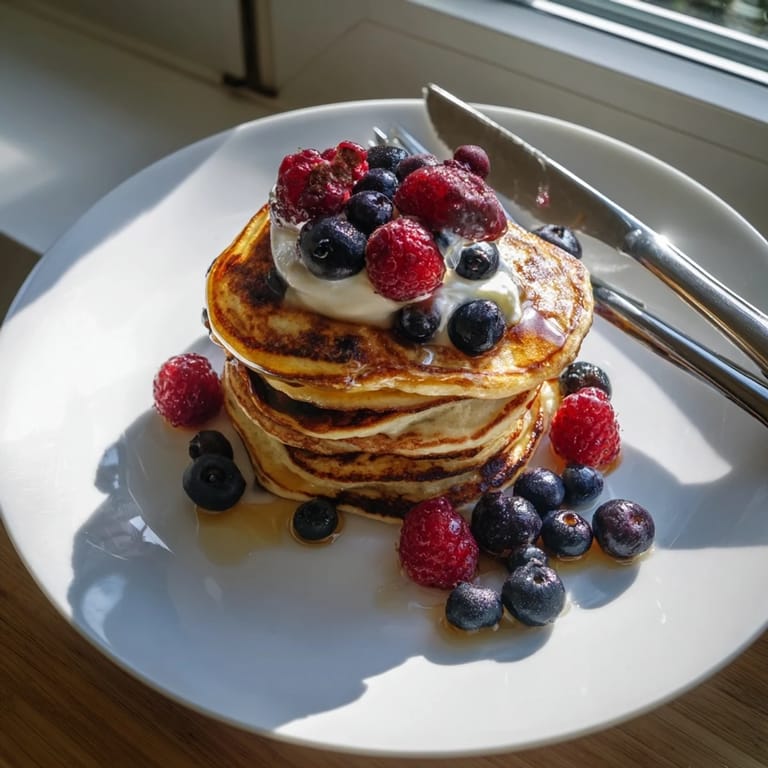
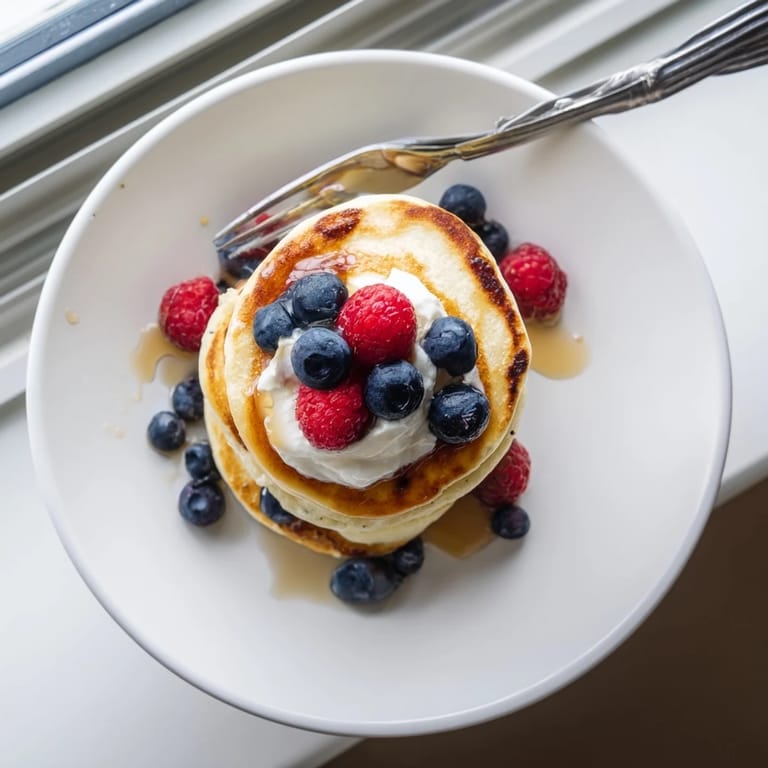
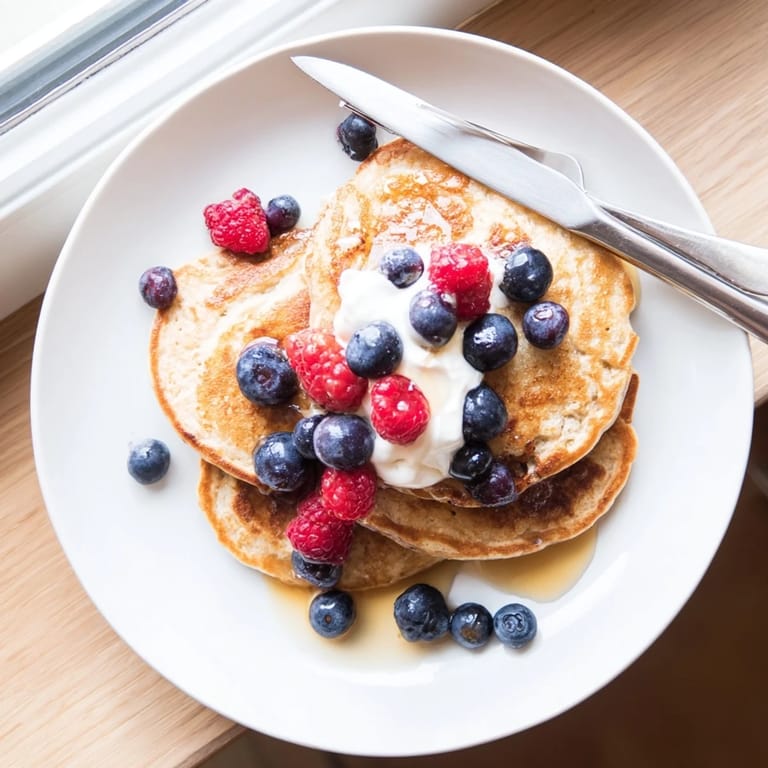
While maple syrup is the classic choice, these protein-packed pancakes pair wonderfully with tart yogurt and fresh berries to balance the richness. My personal revelation was spreading a thin layer of almond butter on top while the pancake is still hot, letting it melt slightly before adding sliced bananas and a tiny sprinkle of flaky salt.
Troubleshooting Tips
Over the years, Ive encountered and solved nearly every pancake problem possible with this recipe. If your pancakes arent rising properly, check if your baking powder is still active by putting a small amount in warm water it should bubble immediately. For pancakes that brown too quickly, your heat is likely too high start at medium-low and adjust as needed.
- For thicker pancakes, let the batter rest for 5 minutes before cooking to allow the oats to absorb more moisture.
- If your blender struggles with the cottage cheese, try bringing it to room temperature first or blend the wet ingredients in batches.
- For those avoiding dairy, lactose-free cottage cheese works perfectly while maintaining the protein content and texture.
 Pin It
 These cottage cheese pancakes have become more than just breakfast food in my home theyre my go-to solution for quick meals that feel like self-care. I hope they bring the same simple joy to your kitchen table.
Recipe Questions & Answers
- → Can I make these pancakes ahead of time?
Yes, you can prepare the batter up to 24 hours in advance and store it in an airtight container in the refrigerator. Stir gently before cooking, as separation may occur. You can also freeze cooked pancakes for up to 3 months and reheat in a toaster or oven.
- → What's the best way to get fluffy pancakes?
The cottage cheese naturally creates fluffiness by trapping air when blended. Don't overmix the batter after adding dry ingredients—pulse just until combined. Cook on medium heat and wait for bubbles to form on the surface before flipping for optimal texture.
- → Can I substitute regular flour for oat flour?
Absolutely. You can use whole wheat flour, all-purpose flour, or buckwheat flour in equal amounts. Each will slightly alter the texture and nutritional profile, but all work well. For gluten-free options, use certified gluten-free oat flour or a gluten-free flour blend.
- → How do I know when the pancakes are fully cooked?
Look for bubbles forming across the surface of the pancakes before flipping. The edges should appear set and slightly dry. After flipping, cook until the underside is golden brown, about 1-2 minutes. A toothpick inserted should come out clean.
- → What type of cottage cheese works best?
Either low-fat or full-fat cottage cheese produces excellent results. Blending breaks down the curds into a smooth base. For smoother batter, strain cottage cheese through fine-mesh sieve briefly if using a very lumpy product, though most brands blend well as-is.
- → Are these suitable for dietary restrictions?
They're naturally high-protein and vegetarian. For vegan options, substitute eggs with flax eggs and use plant-based milk and a dairy-free cottage cheese alternative. For gluten-free, use certified gluten-free oats. Always verify all ingredient labels for specific allergen concerns.