 Pin It
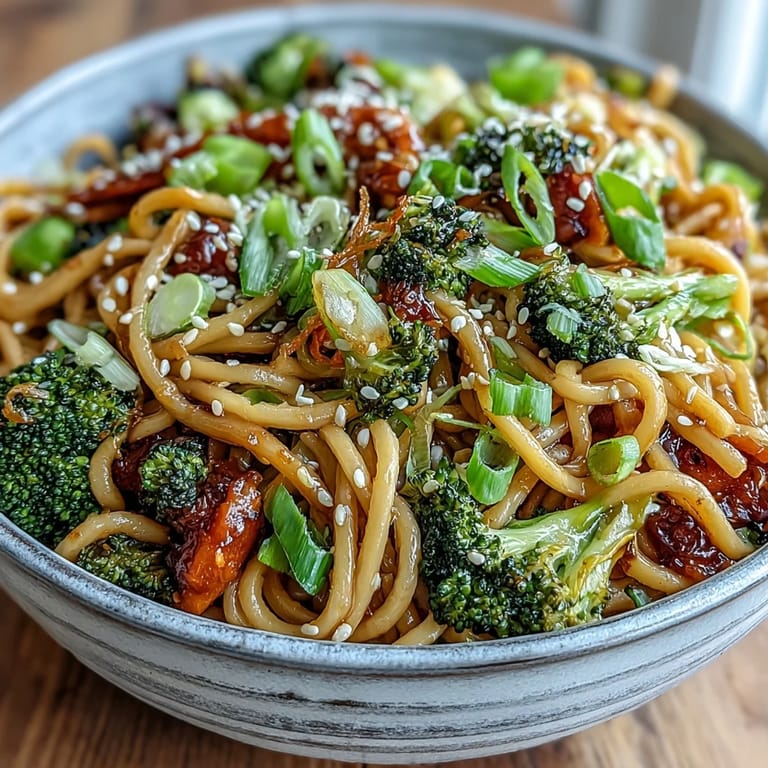
 My coworker brought this teriyaki noodle bowl to the office potluck on a gray Tuesday, and the entire break room smelled like sesame and caramelized honey within minutes. I watched people actually pause their emails to eat it, which says everything. The next week I recreated it at home, armed with a list she scribbled on a napkin and my determination to get that glossy sauce exactly right. It took a few tries to nail the balance between sweet and savory, but once I did, this became my go-to bowl for nights when I want something warm and satisfying without spending half the evening cooking.
I made this for my sister during her first week of a new job when she was too stressed to cook, and something shifted that evening. We sat in her tiny kitchen eating from mismatched bowls, and she actually laughed for the first time that week. She texted me weeks later saying she'd been making it herself, and now it's become her stress-relief meal too. Food has this quiet power sometimes.
Ingredients
- Egg noodles (300 g): Use fresh or dried, but avoid the super thin ones that turn to mush the second they hit sauce—you want noodles with some backbone to hold onto all that glossy flavor.
- Broccoli florets (2 cups) and carrots (2 medium, julienned): The crunch matters here; don't oversteam them into submission or you lose what makes them special alongside soft noodles.
- Green onions (2, sliced): Fresh allium brightness cuts through the richness and adds color that makes people actually want to eat this.
- Soy sauce (1/4 cup): If you have access to good quality soy, use it—cheap stuff tastes tinny and thin.
- Mirin (2 tbsp) or dry sherry: This is the secret sweetness that doesn't taste sugary; it rounds everything out with a sophistication people always ask about.
- Honey or maple syrup (2 tbsp): Honey gives traditional teriyaki that amber gleam, but maple works beautifully and leans into autumn vibes.
- Rice vinegar (1 tbsp): A small splash that wakes up the whole sauce and prevents it from tasting one-note.
- Brown sugar (1 tbsp): Adds depth and helps build the caramelized edges in the pan.
- Sesame oil (2 tsp): Use toasted sesame oil for the real deal; it's potent, so don't oversimplify by using plain oil.
- Garlic and ginger (2 cloves minced, 1 tsp grated): Freshly prepared, not from a jar—the difference is immediate and worth the thirty seconds of work.
- Cornstarch slurry (1 tbsp cornstarch mixed with 2 tbsp water): This is what transforms a runny sauce into something that clings to noodles like it was meant to be together.
- Toasted sesame seeds (2 tbsp) and extra green onion: The final flourish that makes everything look intentional rather than hurried.
Tired of Takeout? 🥡
Get 10 meals you can make faster than delivery arrives. Seriously.
One email. No spam. Unsubscribe anytime.
Instructions
- Cook your noodles with intention:
- Bring salted water to a proper boil and cook the egg noodles just until tender but not soft—they're still going in a hot wok, so slightly underdone is actually your friend. Rinse under cold water right after draining to stop them cooking and prevent clumping.
- Blanch vegetables until they're still talking back:
- Steam or blanch the broccoli and carrots for just 2-3 minutes; you want them to have a snap when you bite down, not surrender to your teeth. If you overcook here, the whole bowl loses its textural contrast.
- Build your sauce slowly and deliberately:
- Combine soy sauce, mirin, honey, rice vinegar, brown sugar, sesame oil, garlic, and ginger in a small saucepan and bring it to a gentle simmer where you can actually hear it talking. This warming time lets the flavors marry and the garlic and ginger release their oils into the liquid.
- Thicken until it knows what it's doing:
- Stir in your cornstarch slurry and keep stirring for 1-2 minutes until the sauce coats the back of a spoon and looks glossy rather than watery. This is the moment everything transforms from decent to genuinely delicious.
- Toss everything together in a final dance:
- In a large wok or skillet, combine your cooked noodles, blanched vegetables, and green onions, then pour the warm sauce over everything. Keep stirring and tossing until every strand is coated and heated through, about 2-3 minutes of constant motion.
- Finish with ceremony:
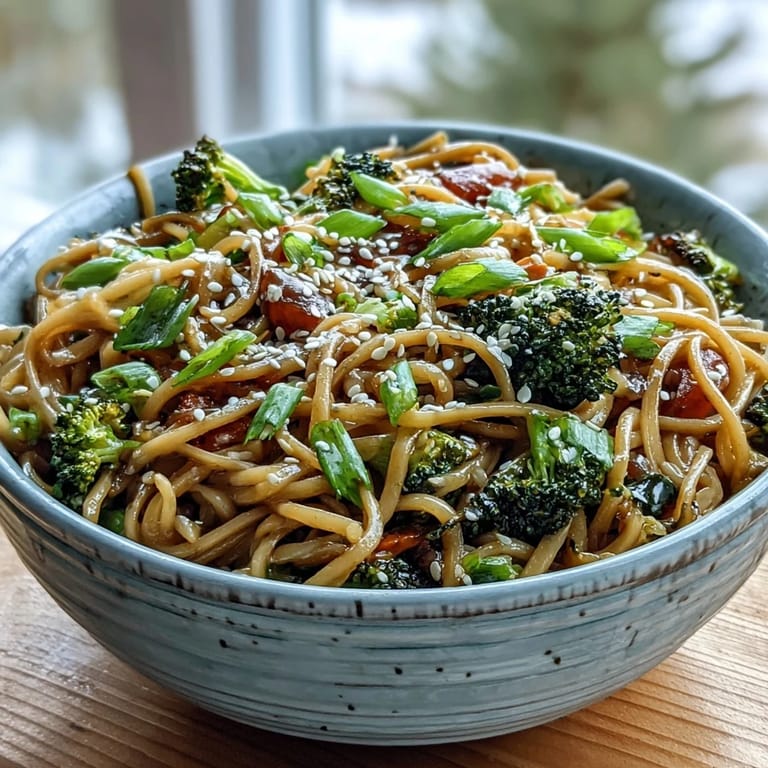
- Divide into bowls and scatter toasted sesame seeds and extra green onion across the top while everything's still steaming. This matters more than it seems.
 Pin It
 There's a moment when you're standing over a wok, noodles and vegetables coming together under a glossy coat of sauce, where you realize this isn't complicated food—it's just careful attention and good ingredients having a conversation. That moment happened for me the third time I made this, and I stopped overthinking it.
Why Sesame Oil Changes Everything
I used regular vegetable oil once as a shortcut and the whole bowl felt generic and flat. Toasted sesame oil is expensive for a reason; just two teaspoons add this nutty, almost smoky depth that makes people think you've been cooking this for hours. It's the kind of ingredient that whispers rather than shouts, but your palate notices immediately when it's missing.
Timing Is Your Real Ingredient
This recipe is fast, but not because you're rushing—it's fast because everything gets prepared ahead and then comes together in the wok for just a few minutes of coordinated movement. I learned this the hard way when I tried to chop garlic while noodles were boiling and carrots were steaming. Set up your mise en place like a calm person, and the actual cooking becomes almost meditative.
Variations That Actually Work
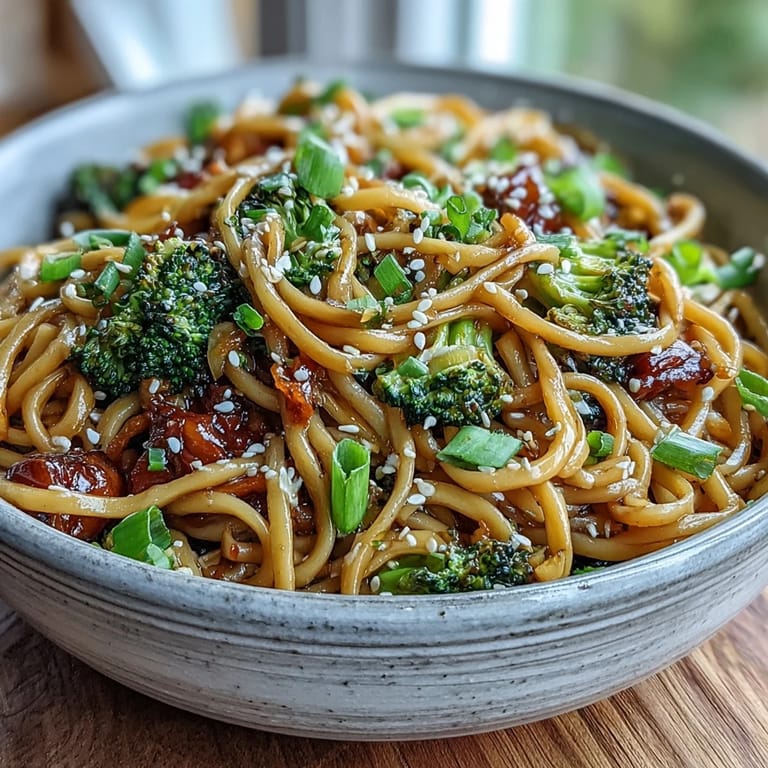
This bowl is your canvas, not your cage. I've made it with grilled chicken breast sliced thin, with cubed tofu that gets slightly crispy in the wok, and even with shrimp that cooks in about two minutes. A friend adds shredded red cabbage for crunch and tartness, and another swears by adding a tablespoon of peanut butter to the sauce for depth. The sauce is forgiving enough to carry whatever vegetables are sitting in your crisper drawer, and honestly, that's when it tastes best.
- Try adding marinated tofu cubes or cooked shrimp for protein that takes this from side dish to main course.
- Shredded red cabbage adds textural contrast and a subtle tang that brightens everything.
- If you want extra heat, whisk in a teaspoon of Sriracha or a pinch of red pepper flakes into the finished sauce.
 Pin It
 This bowl became my answer to the question of what to make when you want something that tastes intentional but doesn't ask you to spend your whole evening in the kitchen. It's the kind of food that reminds you that simple done well beats complicated done hastily.
Recipe Questions & Answers
- → Can I make this dish vegan?
Yes, simply substitute wheat or rice noodles for the egg noodles and use maple syrup instead of honey. The rest of the ingredients are naturally plant-based.
- → How long does the teriyaki sauce keep?
The homemade teriyaki sauce can be stored in an airtight container in the refrigerator for up to two weeks. Reheat gently before using.
- → What protein additions work well?
Crispy tofu, tempeh, grilled chicken strips, or shrimp all complement the teriyaki flavors beautifully. Add your protein during step 5 to heat through.
- → Can I prepare this ahead of time?
The vegetables and sauce can be prepared up to 24 hours in advance. Cook the noodles fresh and toss everything together just before serving for the best texture.
- → What other vegetables can I use?
Snap peas, bell peppers, mushrooms, baby corn, or bok choy all work wonderfully. Feel free to use whatever fresh vegetables you have on hand.
- → Is the sauce gluten-free?
Traditional soy sauce contains wheat, but you can use tamari or coconut aminos instead. Ensure your noodles are also certified gluten-free if needed.